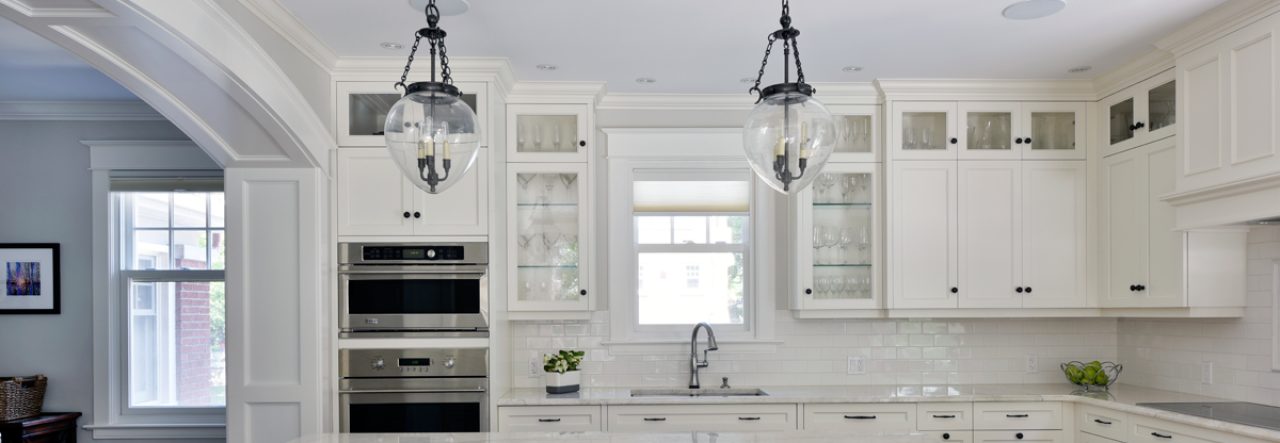
Transforming Your Kitchen with a Custom-Designed Island
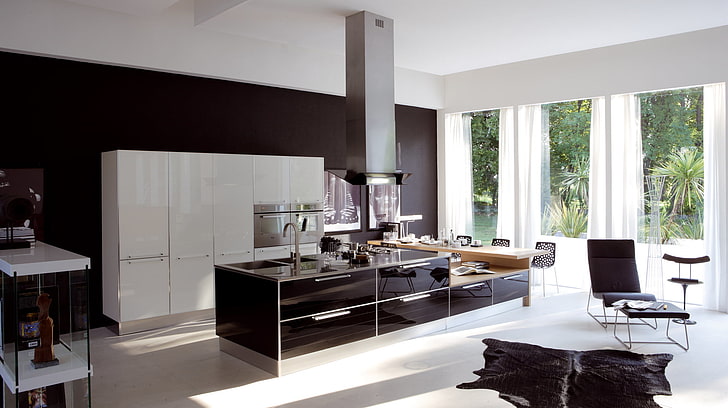
Are you tired of your kitchen feeling cramped and cluttered? Do you dream of a spacious and stylish cooking space that’s perfect for entertaining guests and creating culinary masterpieces? Or are you looking for a way to add some style and functionality to your cooking space? If so, then it’s time to start thinking about designing the best kitchen islands with custom cabinets.
The kitchen is the heart of any home. The kitchen is where delicious meals are concocted, treasured memories are created, and loved ones come together to share each other’s company, be it in joyful or challenging times.
Kitchen islands are like the superhero of your cooking space – they not only add much-needed storage, but also provide a stylish seating area. With the right island, you can transform your kitchen into a space that is very functional.
However, designing the perfect kitchen island requires careful consideration and planning. From selecting the right cabinets and appliances to incorporating seating and lighting, there are a multitude of factors to take into account.
In this blog post, we’ll walk you through every detail you’ll need to create the perfect kitchen island – from mapping out your vision and selecting the ideal cabinets, to adding seating, integrating appliances, and choosing the right countertops and lighting. Our aim is to help you craft a beautiful, functional, and stylish kitchen that you’ll love spending time in. So, let’s dive in and explore.
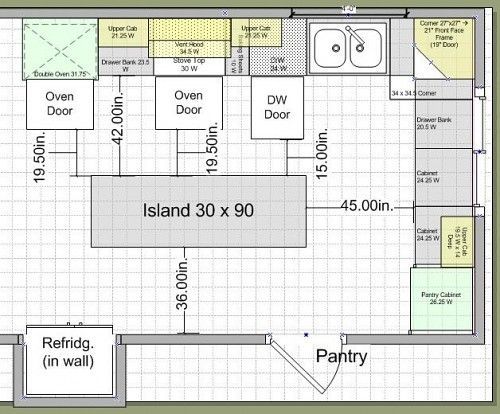
Planning your kitchen island
Are you ready to design your dream kitchen island? Before you start, it’s very important to identify the purpose of your island. Will it be a functional food prep station or a gathering place for friends and family? Or both? Do you need extra storage space and/or seating?
After determining the intended function of your planned kitchen island, you can begin strategizing its dimensions, contour, and placement in your kitchen to ensure that it serves your purpose most effectively.
Choosing the right cabinets
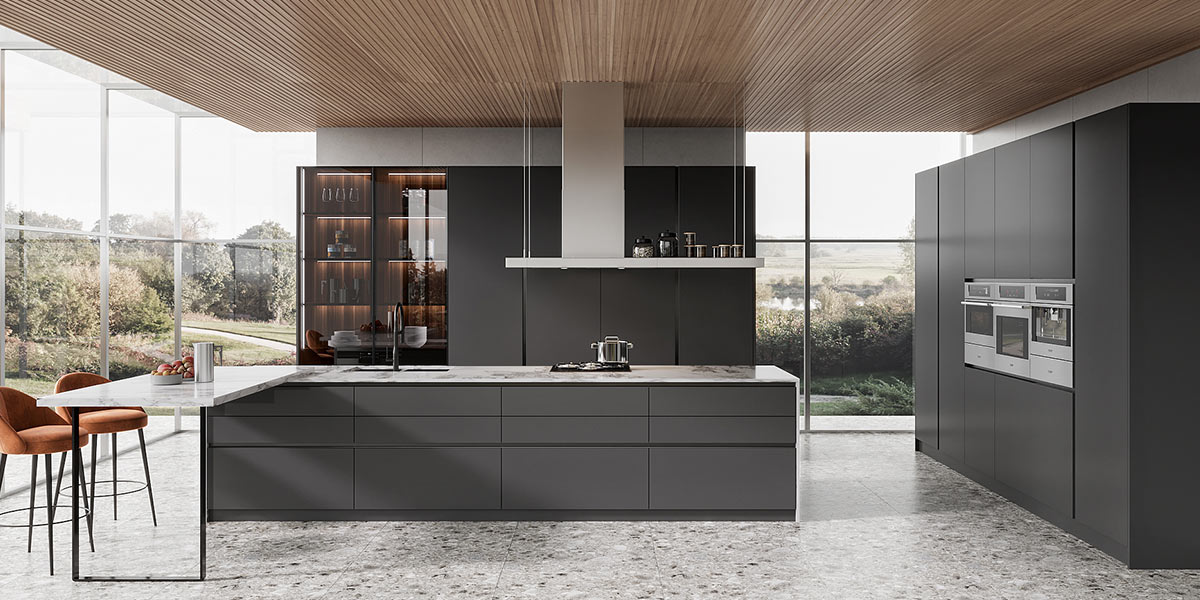
Custom cabinets are the foundation of any kitchen island design. They not only provide storage, but also add personality to your kitchen.
When it comes to material selection for your kitchen island, you have a variety of options, ranging from the timeless beauty of wood, to the sleekness of metal, and the modernity of glass. Consider the style, finish, color, and hardware that best complement your kitchen’s existing aesthetic:
- Cabinet style: Choose a style that complements the rest of your kitchen. If you have a modern kitchen, opt for sleek and simple cabinets. If you have a more traditional kitchen, choose cabinets with more intricate details.
- Cabinet finish: Select a finish that is durable and easy to maintain. High-quality finishes like lacquer and enamel are excellent choices because they can withstand regular wear and tear.
- Cabinet color: Choose a color that adds contrast or blends in with your existing kitchen color scheme. If you have a mostly neutral kitchen, consider a bold color for your island cabinets to add some interest.
- Cabinet hardware: Select hardware that adds a decorative element to your cabinets. Knobs and pulls come in a variety of styles, from sleek and modern to ornate and traditional.
Incorporating appliances
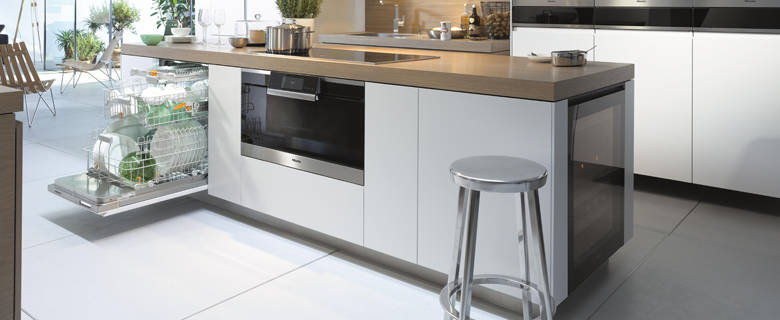
Your kitchen island can also serve as a hub for appliances like cooktops, sinks, or dishwashers. Placement and ventilation are crucial considerations when incorporating appliances into your island.
Make certain that your appliances have enough room to operate smoothly. Verify that there is adequate ventilation to prevent the accumulation of heat. This will ensure that your kitchen is safe and works in a healthy environment.
Ensure that the location of your appliances doesn’t interfere with the function of your island or obstruct the flow of traffic in your kitchen.
Adding appliances to your island can increase functionality and efficiency in the kitchen, and it can also make cooking and cleaning easier, and convenient. You may need to install a range hood or downdraft vent to ensure that smoke and odors are properly ventilated.
If you’re planning to install a sink or dishwasher, consider the plumbing and electrical requirements. You may need to hire a professional to ensure that your island is properly wired and plumbed.
Adding seating
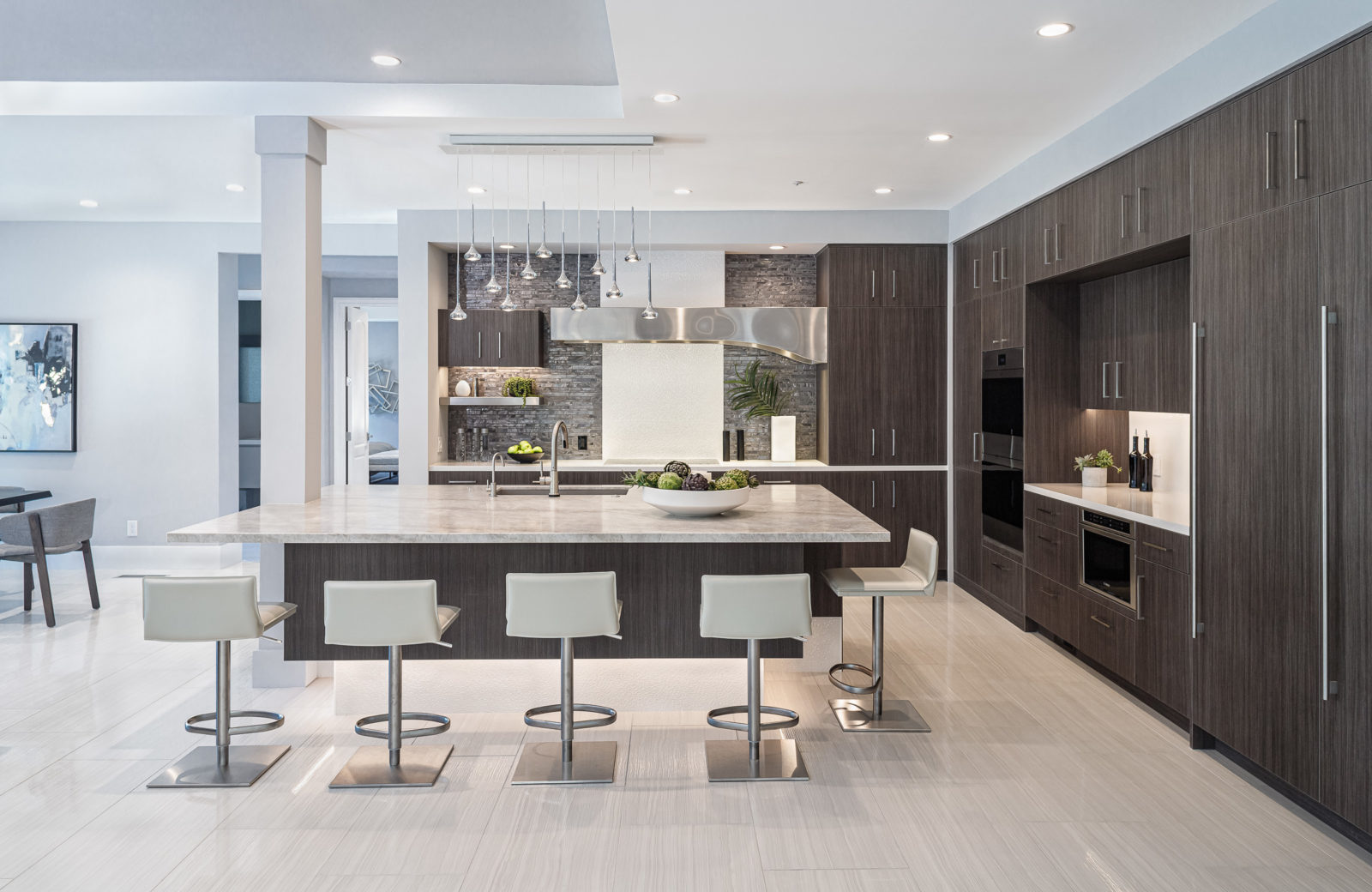
Adding seating to your island is the perfect way to create a welcoming atmosphere. Imagine a warm and inviting kitchen, where friends and family gather around your stylish and functional kitchen island! Bar stools are a popular choice for kitchen islands seatings, but you can also incorporate benches or built-in seating.
When incorporating seating into your kitchen island, it’s important to factor in the dimensions of your island, and the quantity of guests you intend to entertain comfortably. This will help ensure that your island is not only aesthetically pleasing, but also functional and accommodating.
Ensure there is enough space between the seating and appliances to ensure safety and ease of movement. Whether it’s a quick breakfast or a full meal, your guests will feel right at home seated around your kitchen island.
Choosing the right countertops
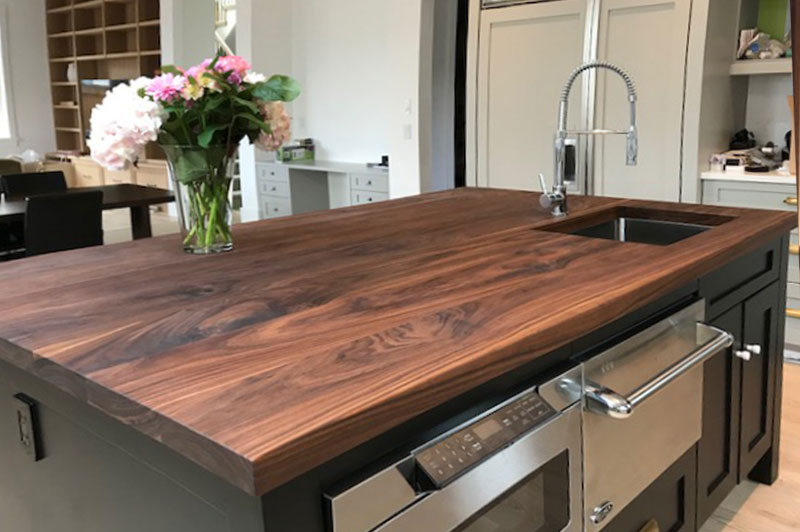
Choosing the right countertop material is another essential aspect of your kitchen island design. Islands need to be durable, easy to clean, and able to withstand daily use. Granite, marble, quartz, and wood are all popular options.
Wood countertops offer a warm and inviting look and can be refinished or sanded down to remove scratches or stains.
Granite is a durable and low-maintenance option, while marble adds a touch of elegance to your kitchen.
Quartz naturally repels stains and bacteria, making it an excellent choice for countertops, and other surfaces where cleanliness and hygiene are a top priority.
Lighting your kitchen island
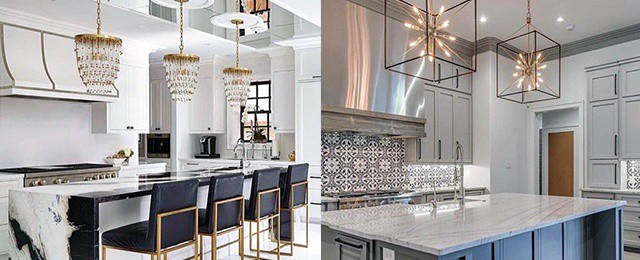
Proper lighting is key to enhancing both the functionality and style of your kitchen island. Lights definitely contribute to the looks and feel of the island. You can choose from a variety of options, such as: pendant lights, recessed lighting, under-cabinet lighting, or even mix-and-match two or more of these styles to create a unique and personalized lights that suit your taste.
When selecting lighting, ensure that it is positioned correctly to avoid shadows or glare, and the lighting you choose doesn’t interfere with the function of your island or obstruct the flow of traffic in your kitchen. Use dimmer switches to adjust the lighting levels and create a cozy atmosphere during intimate dinners or gatherings.

Maximizing storage
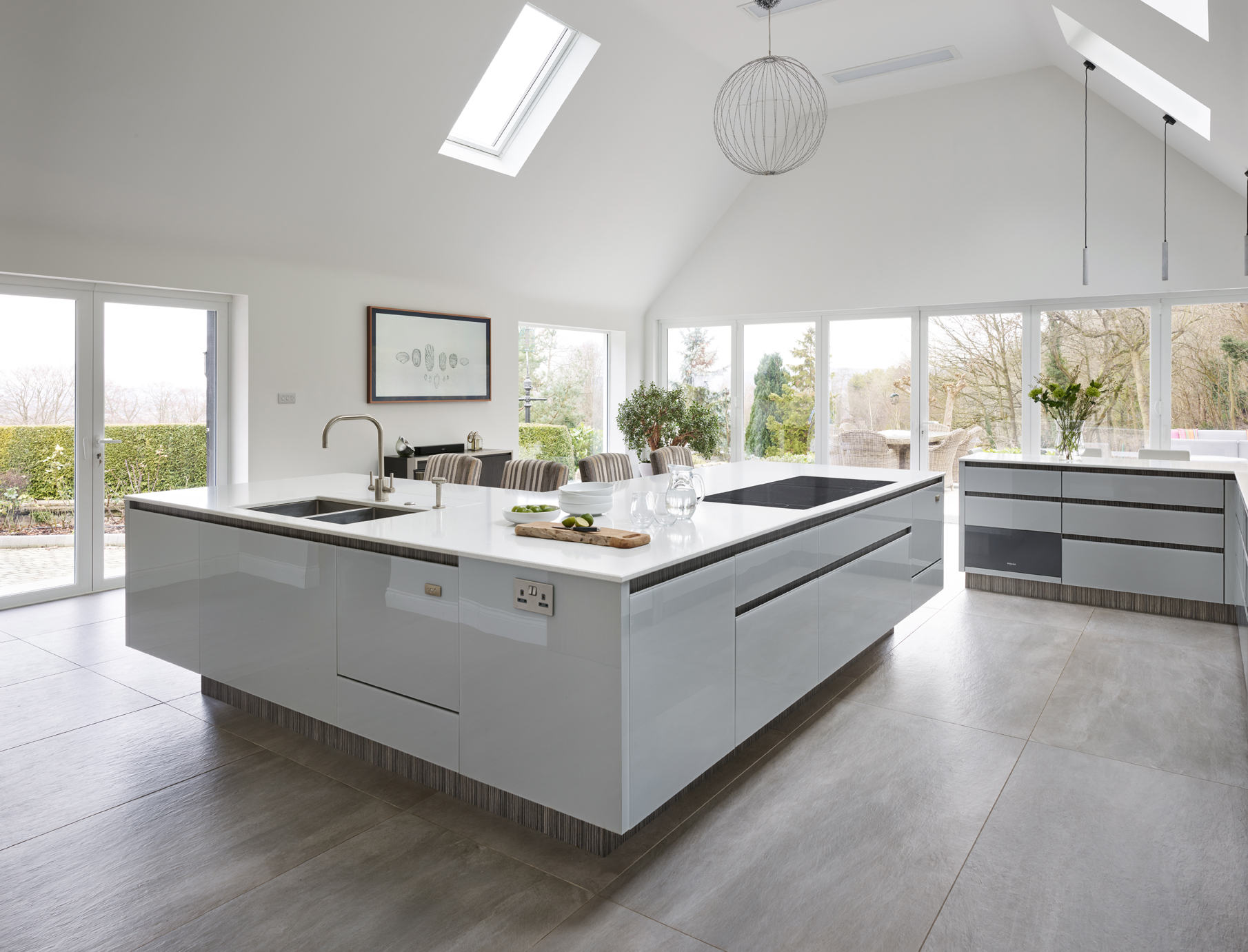
In addition to providing valuable workspace, your kitchen island can also add extra storage to your kitchen. When designing your island, think about incorporating drawers, cabinets, and shelves to store pots, pans, and other kitchen essentials.
Customizing your island
The thrill of designing your very own kitchen island lies in the power to tailor it to your unique style and preferences, resulting in a creation that is distinctly and exclusively yours. Just picture the pure joy of having a unique kitchen island that perfectly mirrors your personality and style, and flawlessly matches the design and vibe of your home. Consider adding special features like a wine rack, spice storage, or a built-in cutting board to make your island truly one-of-a-kind.
Considering the flow of your kitchen
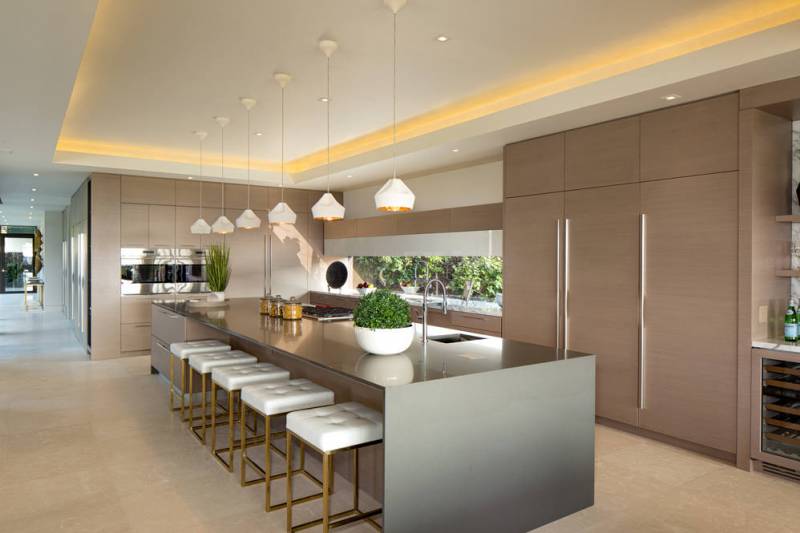
When envisioning your dream kitchen island, take into account how it will harmonize with the overall layout of your kitchen. Confirm that your kitchen island doesn’t impede the natural flow of traffic, and that it’s easily accessible from all angles.
By ensuring that your kitchen island is strategically placed and easily accessible from all sides, you’ll be able to move around your cooking space with ease and avoid any potential obstacles. Having a well planned layout in your kitchen allows you to fully utilize your island, and enjoy its many conveniences and features to the fullest.
Hiring a professional
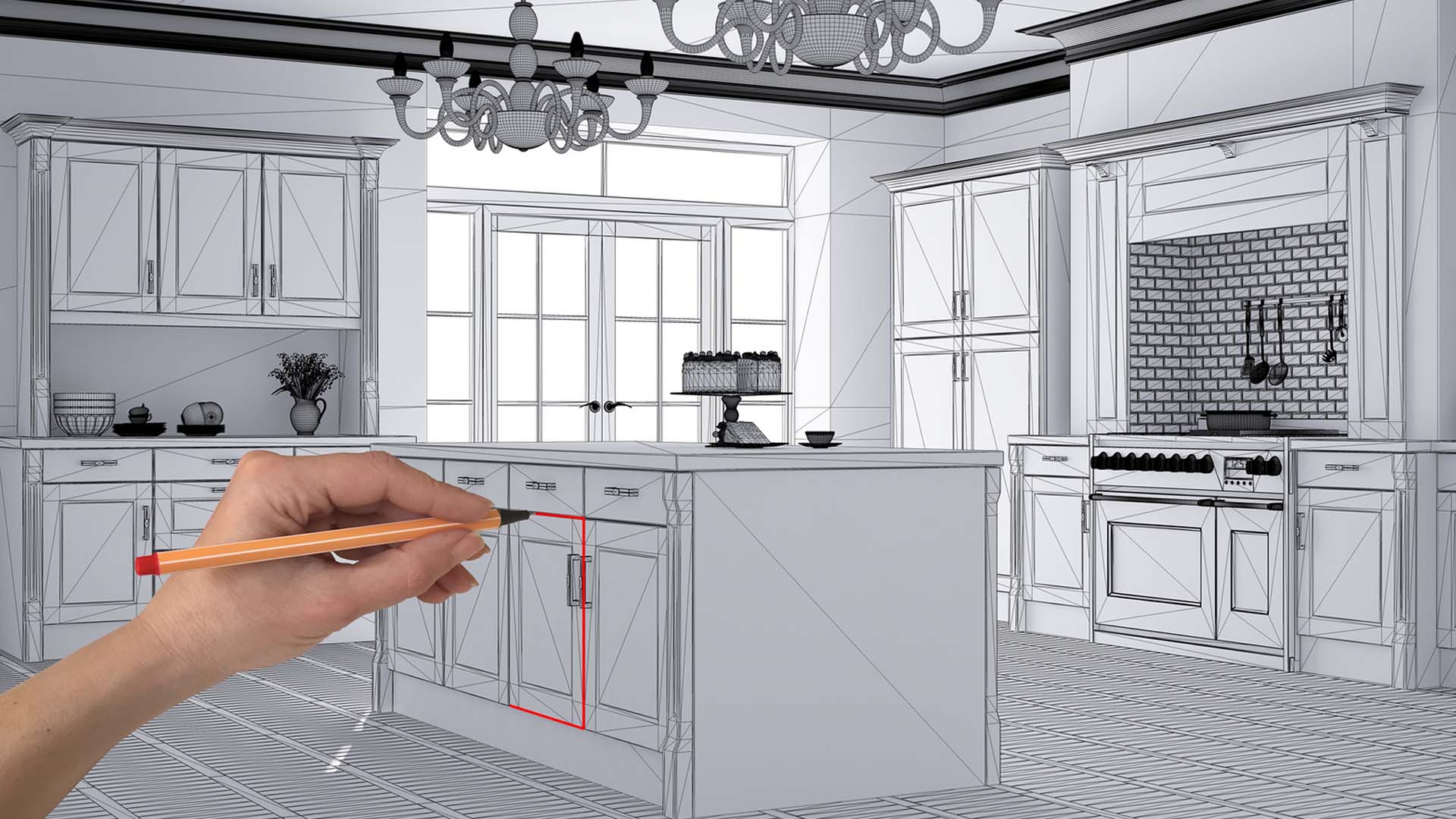
Crafting the ultimate kitchen island that incorporates custom cabinets can be a challenging undertaking, and it’s not recommended to tackle it alone unless you have prior experience. Consider hiring a professional (like, KH Cabinets and Architectural Millwork), who can help you plan and execute your vision.
Conclusion
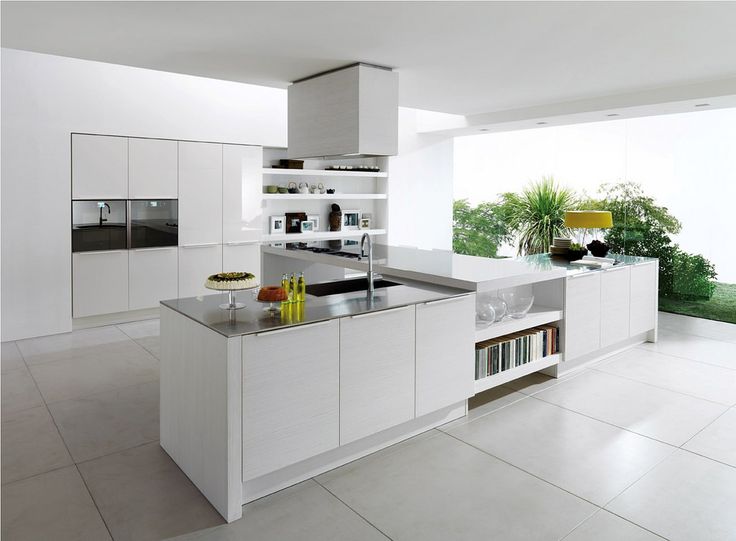
The kitchen island is one of the most important elements of any kitchen design. It is a fantastic addition to any home, and can transform your cooking space from ordinary to extraordinary. A kitchen island is not only a functional workspace; it can also add storage, seating, and personality, and serve as a focal point in the home.
A kitchen island can make all the difference in your kitchen design. Remember, that designing the perfect kitchen island with custom cabinets requires careful planning and consideration. Therefore, before starting your kitchen island project, check out your layout, traffic flow, style, design, colour of materials, finishes, countertops, and type of materials and hardware. Additionally, your kitchen island should complement the rest of the space, and add to its overall aesthetic.
If you are a DIY enthusiast, designing and building your own kitchen island can be an exciting project, but we recommend that you leave it to the professionals. With careful planning and consideration, your island could become the heart of your home, a hub for cooking, and entertaining, allowing you to make cherished memories with those closest to you.
Designing a kitchen island requires experience and skills. KH Cabinets is here to help you with the design, fabrication, and installation of your dream island.
Contact KH Cabinets, your local specialists in everything cabinets, countertops, and islands. KH Cabinets is just a call or email away.
Contact us today for no obligation, free consultation – Click here
Frequently Asked Questions
FAQs
Q1: What is a kitchen island?
A kitchen island is a freestanding cabinet or countertop that is typically located in the center of a kitchen. It can be used for a variety of purposes, such as food prep, storage, and seating.
Q2: What are some benefits of a kitchen island?
A2: A kitchen island can offer additional counter and storage space, provide a central gathering point for socializing and entertaining, and add visual interest and functionality to a kitchen.
Q3: What is the ideal size for a kitchen island?
A3: The ideal size for a kitchen island depends on the size of your kitchen and the purpose of your island. Will it be a spot for meal prep, a place for guests to sit and chat, or a storage solution? The average size of a kitchen island is about 3 by 6 feet, but you can make it larger or smaller based on your needs.
Q4: How do I determine the best location for my kitchen island?
A4: The best location for your kitchen island will depend on the layout and size of your kitchen. In general, it should be located in a central area that allows for easy movement around the space.
Q5: How can I make my kitchen island a focal point?
A5: To make your kitchen island a focal point, consider using a unique countertop material or adding decorative details like moldings or corbels. You can also choose a bold color or finish for the cabinet fronts.
Q6: Can I add appliances, like a sink or cooktop, to my kitchen island?
A6: Yes, you can add a sink, cooktop, oven, or refrigerator to your kitchen island. However, double-check that you have enough space for your kitchen island, and any accompanying plans you have in mind. Consider where you want to position the sink, oven, cooktop, or any other item, and how this will complement the rest of your kitchen area. Ensure you have all the right plumbing, ventilation, and electrical setup in place. Consult with a professional to determine if adding appliances to your island is feasible.
Q7: How much does it cost to install a kitchen island?
A7: The cost of installing a kitchen island varies depending on the size, materials, and features you choose. On average, it can cost anywhere between $5,000 and $50,000 or more.
Q8: How can I make my kitchen island more accessible?
A8: To make your kitchen island more accessible, consider adding features like a pull-out pantry, a lazy Susan, or a roll-out shelf. These features can make it easier to access items stored in your kitchen island.
Q9: How do I choose the right countertop for my kitchen island?
A9: When choosing a countertop for your kitchen island, consider factors like durability, maintenance requirements, and style. Popular options include granite, quartz, and marble, which are all durable and low-maintenance.
Q10: How can I incorporate storage into my kitchen island?
A10: To incorporate storage into your kitchen island, consider adding drawers, cabinets, or shelves. You can also add features like a wine rack, spice rack, or utensil holder.
Q11: What is the purpose of a kitchen island?
A11: The purpose of a kitchen island depends on the intended use of your island. A kitchen island serves as a functional workspace and a focal point in the kitchen. It provides additional storage, seating, and can incorporate appliances like sinks or cooktops.
Q12: What are the popular materials for kitchen island countertops?
A12: Popular materials for kitchen island countertops include granite, marble, quartz, stainless steel, and wood. Each material has its own benefits and drawbacks in terms of durability, maintenance, and style.
Q13: How do I use my kitchen island?
A13: Kitchen islands can be used as a functional food prep station or a gathering place for friends and family. You can also use them as extra storage space.
Q14: What is the best shape for a kitchen island?
A14: The best shape for a kitchen island will depend on the size and layout of your kitchen. Common shapes include rectangular, square, L-shaped, and curved.
Q15: How can I incorporate seating into my kitchen island?
A15: To incorporate seating into your kitchen island, consider adding a raised countertop or a bar-height overhang. You can also add stools or chairs that complement the style and color of your kitchen.
Q16: How do I incorporate appliances into my kitchen island?
A16: Placement and ventilation are crucial considerations when incorporating appliances into your island. Ensure that there is enough space for the appliances to function properly, and that there is proper ventilation to prevent heat buildup. Nobody wants a hot and stuffy kitchen. Plus, keeping the air quality in check will help ensure that your cooking space is a healthy and pleasant place to be!
Q17: What is the best material for kitchen island cabinets?
A17: The best material for kitchen island cabinets is one that is durable, easy to maintain, and fits your personal style. Popular materials for kitchen cabinets include wood, laminate, and metal.
Q18: How can I incorporate technology into my kitchen island?
A18: To incorporate technology into your kitchen island, consider adding features like a built-in charging station, a built-in tablet holder, or a smart speaker. These features can make your kitchen island more convenient and functional.
Q19: How can I make my kitchen island more functional?
Q19: To make your kitchen island more functional, consider adding features like a built-in cutting board, a built-in microwave or warming drawer, or a built-in trash can. These features can make your kitchen island more versatile and convenient.
Q20: How do I ensure that my kitchen island is safe and structurally sound?
Q20: To ensure that your kitchen island is safe and structurally sound, it is important to work with a professional designer or contractor who can ensure that the island is properly supported and meets all necessary codes and standards.
 KH Cabinets and Architectural Millwork - Fine Custom Made Cabinetry