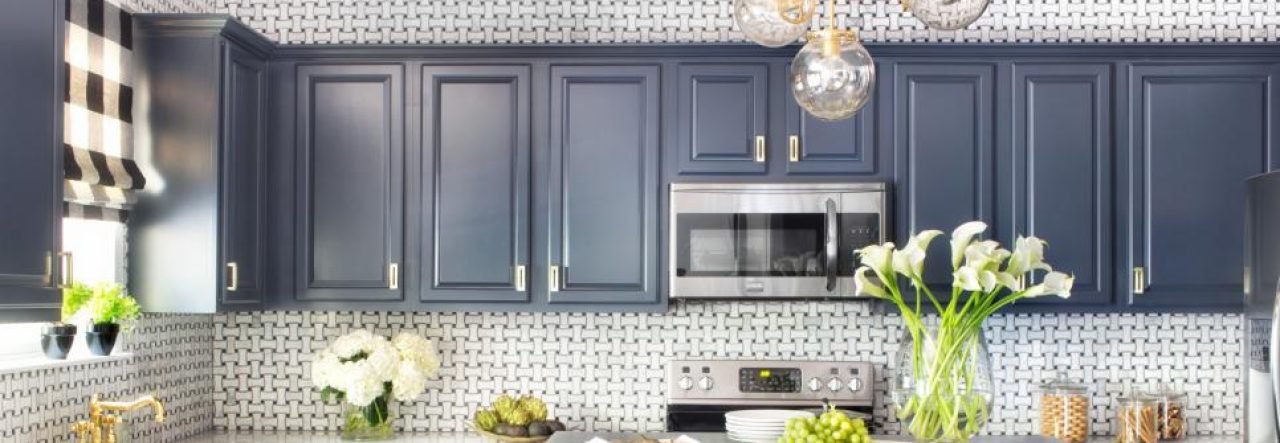
The kitchen is often considered the heart of a home, serving as a central hub for families to come together, cook meals, entertain guests, and create cherished memories. As such, designing a functional and aesthetically pleasing kitchen is crucial for any homeowner or interior designer. However, kitchen design can be complex, and mistakes are common.
In this article, we will explore the first seven of fourteen common mistakes in kitchen design and provide tips on how to avoid them.
1 – Poor Space Planning
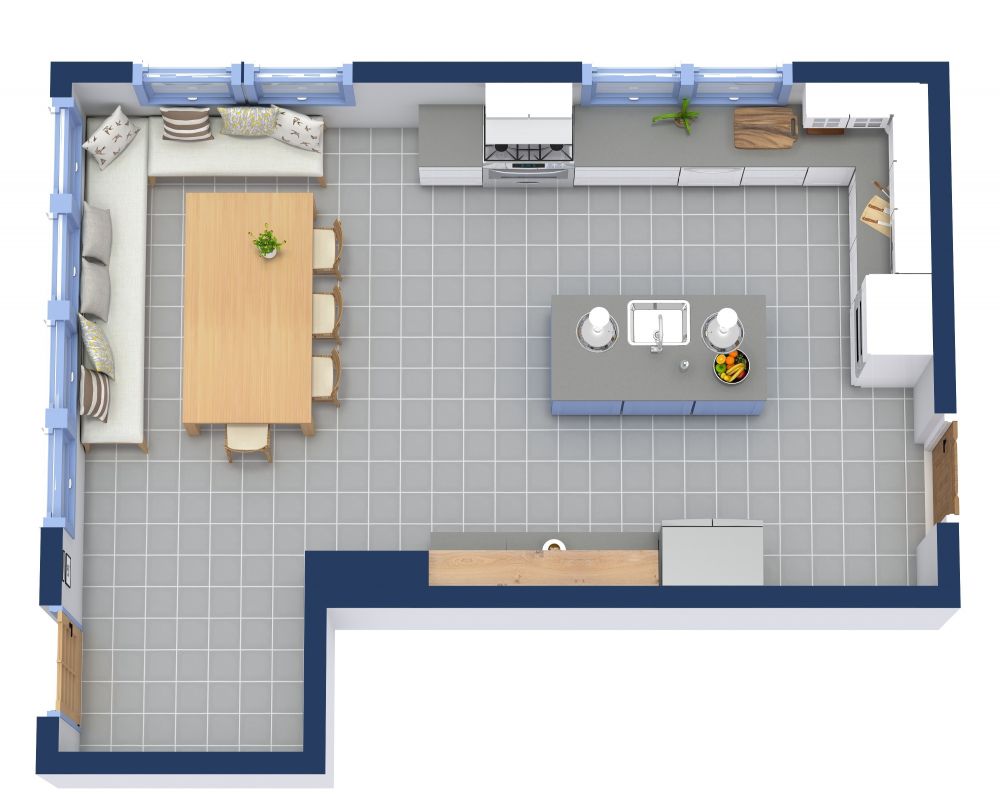
One of the most common mistakes in kitchen design is poor space planning. A poorly laid out kitchen can be frustrating and inefficient to work in, leading to unnecessary movements and wasted time. To avoid this mistake, it’s important to carefully plan the layout of your kitchen based on the available space and your needs.
When designing your kitchen, consider the classic “work triangle” concept, which involves placing the sink, refrigerator, and stove in a triangular formation for easy access and efficiency. Avoid placing these three elements too far apart or too close together, as it can disrupt the flow of the kitchen. Also, make sure to have ample counter space near the sink and stove for food prep and cooking tasks.
Additionally, think about the location of your kitchen’s storage areas, such as cabinets and drawers. Keep frequently used items within easy reach and consider installing pull-out shelves or drawers for better accessibility. Consider the workflow of your kitchen and ensure that it makes sense for your cooking style and needs.
2 – Inadequate Storage
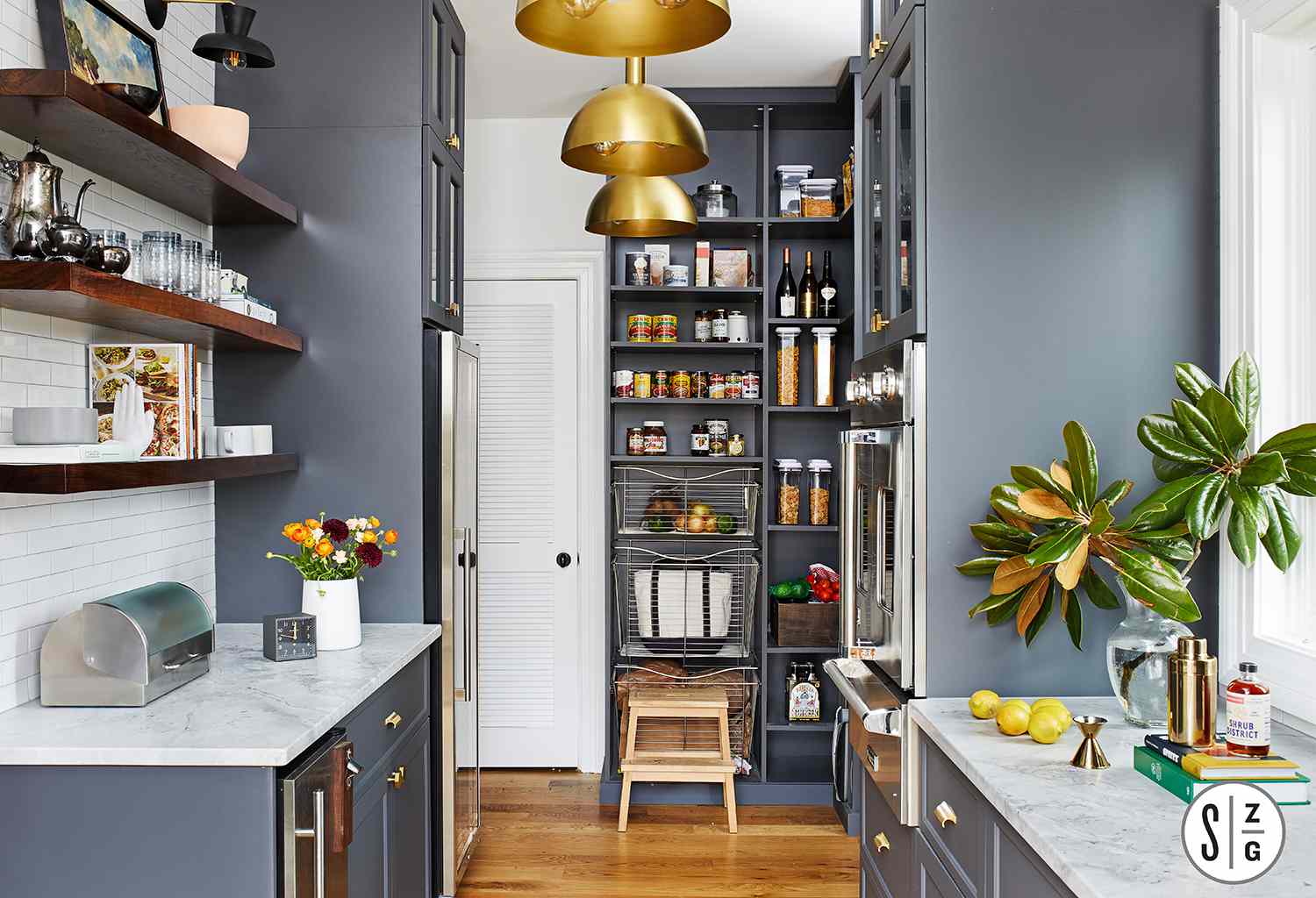
Insufficient storage space is another common mistake in kitchen design. A cluttered kitchen not only looks messy, but it can also be frustrating to work in. To avoid this mistake, plan for ample storage solutions in your kitchen design.
Consider the types of items you will need to store in your kitchen, such as cookware, dishes, and small appliances, and plan accordingly. Utilize cabinets, drawers, and shelves effectively to maximize storage space. Install tall cabinets that reach the ceiling to make use of vertical space, and incorporate features such as built-in spice racks, pot and pan organizers, and utensil dividers to keep items organized and easily accessible.
If you have limited space, consider creative storage solutions such as corner cabinets, pull-out pantries, or overhead pot racks to make the most of every inch of space. Customized storage solutions can also be a great option, as they can be tailored to your specific needs and preferences.
3 – Neglecting Storage Solutions
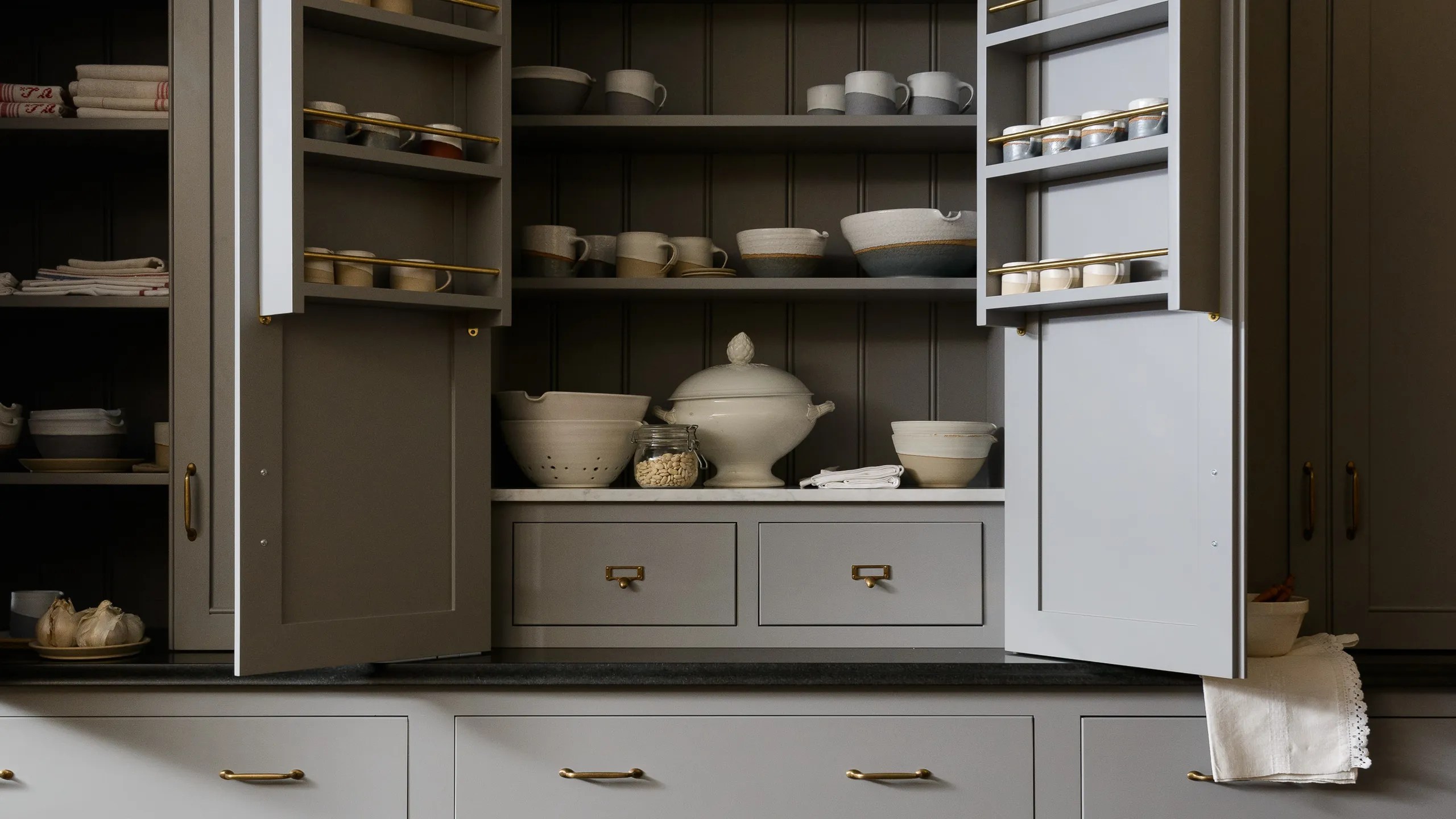
Another common mistake in kitchen design is neglecting storage solutions. Without proper storage, your kitchen can quickly become cluttered and disorganized, making it difficult to find and access items when you need them.
To avoid this mistake, carefully plan for adequate storage in your kitchen design. This may include cabinets, drawers, shelves, and pantry space. Consider the types of items you will be storing in your kitchen, such as pots and pans, dishes, utensils, food containers, and small appliances, and plan for storage solutions that will accommodate these items efficiently.
Incorporate a variety of storage options, such as deep drawers for pots and pans, pull-out shelves for easy access to items in the back of cabinets, and adjustable shelves to accommodate items of various sizes. Consider incorporating a pantry cabinet to store dry goods, canned goods, and other pantry items in an organized and easily accessible manner.
Don’t forget about vertical storage options as well, such as utilizing the space above your cabinets for storing items that are used less frequently or adding hooks or pegboards on walls for hanging pots, pans, and utensils.
4 – Poor Lighting
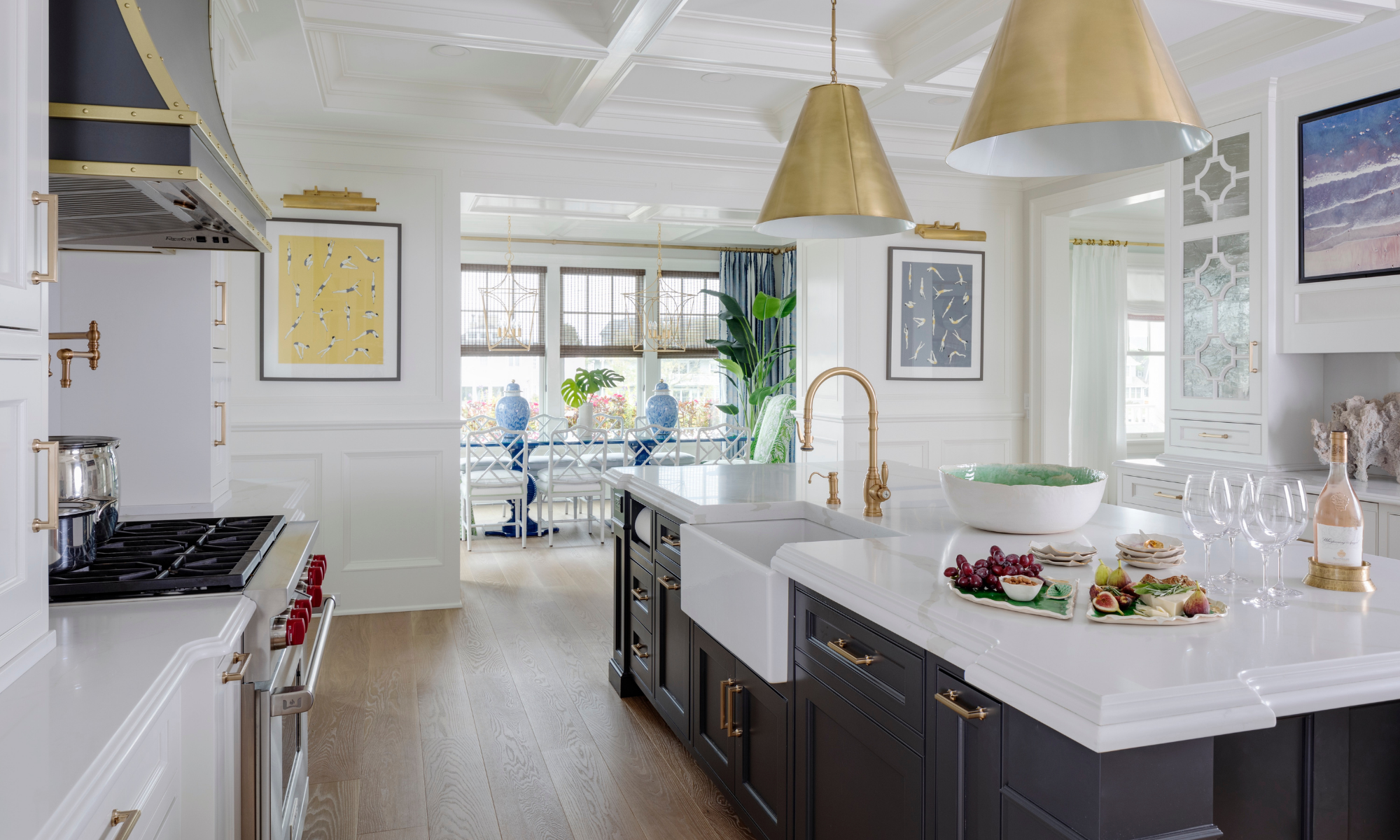
Lighting is an important aspect of kitchen design that is often overlooked. Insufficient or poorly placed lighting can make your kitchen feel dark and uninviting, as well as hinder your ability to perform tasks safely and efficiently. To avoid this mistake, plan for adequate and well-placed lighting in your kitchen.
To avoid this mistake, plan for a combination of ambient, task, and accent lighting in your kitchen design. Ambient lighting provides overall illumination and can be achieved through ceiling fixtures, pendant lights, or recessed lighting. Task lighting is focused lighting that provides illumination for specific tasks, such as under-cabinet lighting for countertop tasks, pendant lights over an island for food prep, or a light over the stove for cooking. Accent lighting adds a decorative element to your kitchen and can be achieved through the use of decorative fixtures or LED strip lighting.
Consider the placement and intensity of your lighting to ensure that your kitchen is well-lit and functional. Avoid placing overhead lighting directly above your head when standing at the countertops, as this can create shadows and make food prep difficult. Instead, consider placing lighting in strategic locations, such as under cabinets, above the sink, and over the island, to provide adequate task lighting where it’s needed.
5 – Neglecting Ventilation
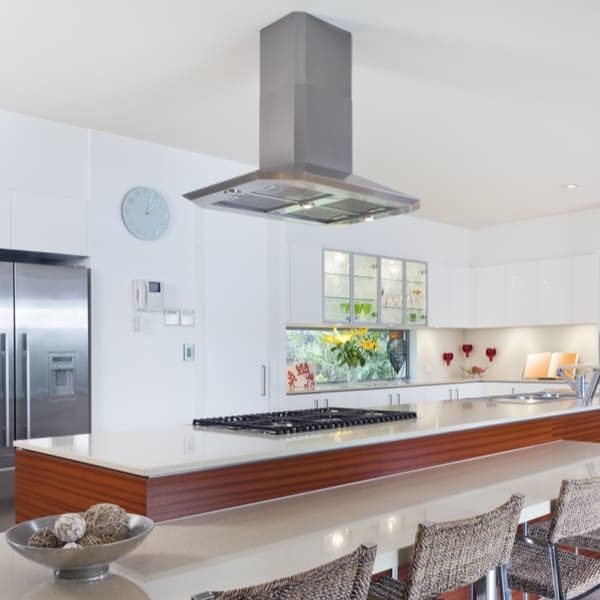
Proper ventilation is crucial in a kitchen to remove smoke, odors, and excess moisture. Neglecting ventilation is a common mistake that can result in a kitchen that is uncomfortable to work in and may even pose health risks. To avoid this mistake, make sure to incorporate adequate ventilation in your kitchen design.
There are several options for kitchen ventilation, including range hoods, exhaust fans, and downdraft vents. Range hoods are a popular choice as they can effectively remove smoke, steam, and odors from the kitchen while also adding a stylish element to the space. When selecting a range hood, make sure it is appropriately sized for your cooktop or range, and that it is properly installed to vent to the outside of your home.
Exhaust fans can also be used in conjunction with range hoods or as standalone ventilation solutions. They can be installed on walls, ceilings, or windows and are effective in removing excess moisture and odors from the kitchen.
Downdraft vents are another option, which are installed directly into the countertop or cooktop and rise up when in use to draw in fumes and odors.
Proper ventilation is not only important for maintaining a clean and odor-free kitchen, but it also helps to improve indoor air quality and prevent the buildup of harmful pollutants. Don’t overlook the importance of ventilation in your kitchen design to ensure a healthy and comfortable cooking environment.
6 – Ignoring the Work Triangle
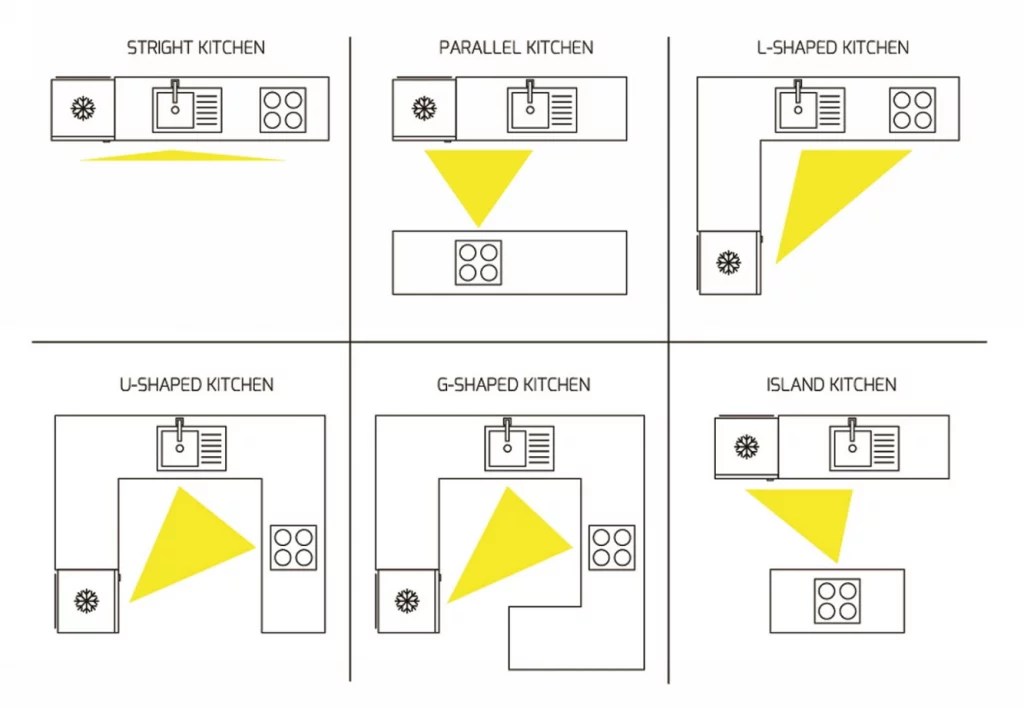
The concept of the work triangle is crucial in kitchen design. The work triangle refers to the efficient arrangement of the sink, refrigerator, and stove in a triangular formation, with each element being easily accessible without having to take unnecessary steps. The positioning of appliances in the kitchen is another common mistake in kitchen design. Poorly positioned appliances can disrupt the flow of the kitchen and make it inconvenient and inefficient to use. Ignoring the work triangle can lead to an inefficient and inconvenient kitchen layout.
To avoid this mistake, carefully consider the placement of the sink, refrigerator, and stove in your kitchen design. Ideally, these three elements should be placed in close proximity to each other, forming a triangle shape. The total sum of the three sides of the work triangle should typically not exceed 26 feet, and no single side should be less than 4 feet or more than 10 feet. This allows for easy movement and efficient workflow in the kitchen.
Consider the location of electrical outlets and gas or water connections when planning the placement of your appliances. Make sure they are easily accessible and properly installed for safe and efficient operation.
7 – Inadequate Counter Space
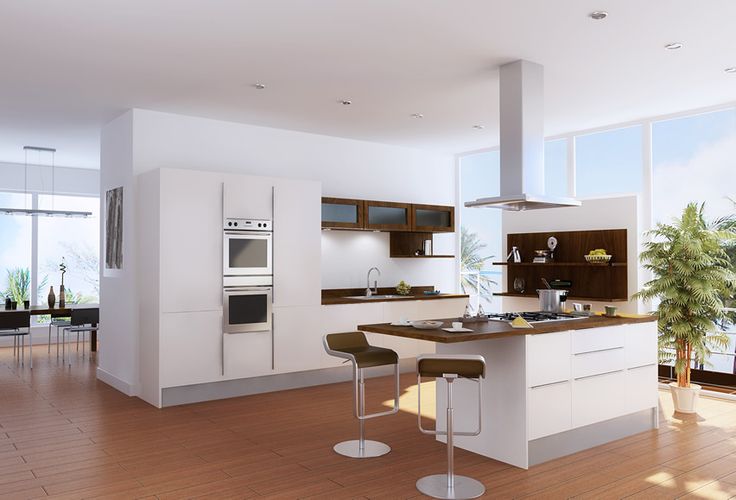
Adequate counter space is very important in the kitchen, however, inadequate counter space is a common mistake in kitchen design. Having enough counter space is great for food prep, cooking, other kitchen tasks, and entertain guests. Without enough counter space, your kitchen can quickly feel cramped and cluttered.
To avoid this mistake, plan for ample counter space in your kitchen design. When designing your kitchen, consider the layout of your kitchen and the available space, and try to maximize the amount of counter space you can include.
Avoid cluttering your countertops with too many appliances or decorative items, and prioritize functionality and usability.
Conclusion
Designing a kitchen can be a complex and challenging process, but by avoiding common mistakes, you can create a functional, efficient, and visually appealing space that meets your needs and reflects your personal style. Avoiding mistakes such as poor space planning,inadequate storage, inadequate ventilation, inefficient workflow, and neglecting storage solutions can help you create a kitchen that is not only beautiful, but also highly functional.
Choose durable and high-quality materials that can withstand daily wear and tear and require minimal maintenance. Plan for flexibility in your kitchen design to accommodate changing needs, such as aging in place or accommodating different family members’ heights and abilities.
Plan ahead, and take into account your own lifestyle and preferences when designing your kitchen. Avoiding the above common mistakes in kitchen design can save you time, money, and frustration in the long run, and result in a kitchen that you will love for years to come.
Remember that a well-designed kitchen is an investment in your home and can greatly enhance your daily living experience. It’s a space where you’ll spend a significant amount of time, so it’s worth putting in the effort to ensure that it is functional, efficient, and visually appealing.
In Part II, we will further discuss the remaining seven common mistakes in kitchen design, including electrical, lighting, backsplash, countertops, and more.
FAQs:
Frequently Asked Questions (FAQs):
Q: What is the ideal layout for a functional kitchen?
A: The ideal layout for a functional kitchen is often referred to as the “kitchen work triangle.” It is a design concept that suggests the sink, stove, and refrigerator should be placed in close proximity to each other to create an efficient workflow. The total distance between the three points of the triangle should be between 12 to 26 feet for optimal functionality.
Q: How much countertop space do I need in my kitchen?
A: The amount of countertop space you need in your kitchen depends on your specific needs and cooking habits. As a general guideline, it’s recommended to have at least 36 to 48 inches of countertop space on either side of the sink for food preparation tasks. Additionally, having ample countertop space near the stove and refrigerator for placing hot pots and pans or setting down groceries is also important.
Q: What are some common mistakes to avoid in kitchen lighting design?
A: Some common mistakes to avoid in kitchen lighting design include inadequate lighting, poor placement of fixtures, and not considering different types of lighting. It’s important to have a good balance of ambient, task, and accent lighting in the kitchen to create a well-lit and functional space. Avoid placing fixtures directly above the head or casting shadows on the countertop or sink. Consider under-cabinet lighting for task lighting and pendant lights or chandeliers for ambient and accent lighting.
Q: How can I make my small kitchen feel larger?
A: There are several design techniques you can use to make a small kitchen feel larger. These include:
- Choosing lighter colors for walls, cabinets, and countertops to create an open and airy feel.
- Installing ample lighting to brighten up the space and eliminate dark corners.
- Using mirrors or glass-front cabinets to reflect light and create an illusion of more space.
- Opting for streamlined and minimalistic cabinetry and appliances to reduce visual clutter.
- Utilizing vertical space with tall cabinets or shelves for additional storage.
- Keeping the countertops clear of unnecessary items to create a sense of openness and cleanliness.
- Choosing multi-functional furniture or appliances to save on space.
- Using open shelving to display items strategically and add visual interest without overwhelming the space.
Q: What are some common mistakes in kitchen design?
A: Some common mistakes in kitchen design include inadequate storage, poor lighting, improper layout, lack of ventilation, using the wrong materials, not considering workflow, neglecting safety, overlooking electrical outlets, not planning for seating, and ignoring the overall style and aesthetics.
Q: Can I fix these mistakes if I have already made them in my kitchen design?
A: Yes, in many cases, it is possible to fix these mistakes even if you have already made these mistakes in your kitchen design. However, it may require additional time, effort, and cost to correct the issues. It is always best to address any mistakes as early as possible to avoid unnecessary delays and expenses.
Q: How much countertop space do I need in my kitchen?
A: The amount of countertop space you need in your kitchen depends on your specific needs and cooking habits. As a general guideline, it is recommended to have at least 36 to 48 inches of countertop space on either side of the sink for food preparation tasks. Additionally, having ample countertop space near the stove and refrigerator for placing hot pots and pans or setting down groceries is also important.
Q: What are some common mistakes to avoid in kitchen lighting design?
A: Some common mistakes to avoid in kitchen lighting design include inadequate lighting, poor placement of fixtures, and not considering different types of lighting. You should have a good balance of ambient, task, and accent lighting in the kitchen to create a well-lit and functional space. Avoid placing fixtures directly above the head or casting shadows on the countertop or sink. Consider under-cabinet lighting for task lighting and pendant lights or chandeliers for ambient and accent lighting.
Q: How can I avoid these common mistakes in my kitchen design?
A: To avoid these mistakes, it’s important to plan carefully and consider all aspects of kitchen design, including storage, lighting, layout, ventilation, materials, workflow, safety, electrical outlets, seating, and style. Taking the time to think through these elements will ensure that your kitchen is both functional and beautiful.
 KH Cabinets and Architectural Millwork - Fine Custom Made Cabinetry
Pingback: KH Cabinets April Newsletter – KH Cabinets and Architectural Millwork – Fine Custom Made Cabinetry
Pingback: Fourteen Common Mistakes in Kitchen Design and How to Avoid Them (Part II) – KH Cabinets and Architectural Millwork – Fine Custom Made Cabinetry