
The BC government unveils 47 municipalities in the province experiencing alarming rate of housing shortages
In the midst of a housing crisis that has gripped British Columbia, a recent article in the Vancouver Sun shed light on an intriguing revelation. Government documents have exposed a comprehensive list of all 47 municipalities that have found themselves on the “Housing Naughty List”. This expanded list includes both fast-growing large cities like Burnaby, Surrey, and Langford, as well as smaller communities like White Rock, Pitt Meadows, and North Cowichan. These municipalities in the “naughty list”, clearly show the need for them to accelerate their housing construction.
As the housing market continues to face unprecedented challenges, this article will delve into the implications of this list, the underlying issues it uncovers, the concerns raised by experts, and the potential solutions that could address the housing crisis and pave the way for a brighter future in British Columbia.
Setting the Stage for Change:
The housing targets, which will be set later this summer, aim to address the pressing housing need and projected growth in these municipalities. To determine which municipalities made the list, a weighted index was used, considering factors such as housing urgency, projected population growth, land availability, and housing affordability. While being on the list does not guarantee that targets will be set in each municipality, it serves as a wake-up call for these communities to take action.
Understanding the Challenges:
Unaffordable housing, limited rental options, and skyrocketing prices have become synonymous with the province’s housing landscape. The Housing Naughty List brings these issues to the forefront, underscoring the urgent need for action. The documents reveal an intricate web of factors that contribute to the housing crisis, including the lack of affordable housing initiatives, regulatory hurdles, and population growth surpassing the availability of suitable dwellings.
Concerns and Criticisms:
Although the housing targets are intended to increase housing supply and affordability, skepticism has arisen among some municipal officials and housing critics. Nanaimo Mayor Leonard Krog questions whether setting targets alone will be effective without significant government and private sector involvement in housing construction. The lack of transparency in the selection process has also been criticized, with calls for greater clarity on how the metrics were calculated, particularly regarding homelessness and social housing needs.
The Ripple Effect:
The repercussions of the housing crisis extend far beyond mere affordability. Families struggle to find suitable accommodations, young professionals face insurmountable barriers to homeownership, and vulnerable populations are pushed to the fringes of society. The Housing Naughty List forces us to confront the broader social, economic, and environmental implications of an imbalanced housing market.
Investing in Affordable Housing:
One key aspect that demands immediate attention is the need for affordable housing initiatives. Governments at all levels must prioritize funding and support to ensure the development of affordable housing options. Collaboration with private developers, streamlined approval processes, and tax incentives can help break down barriers and promote the creation of affordable housing units.
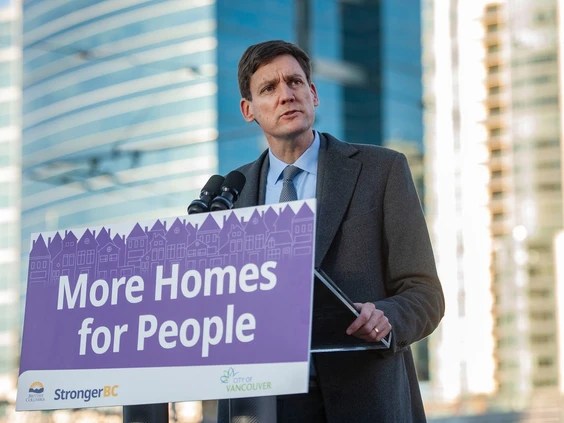
BC Premier David Eby
The Stick and the Carrot Approach:
The government has outlined its approach to ensure compliance with the housing targets. If municipalities fail to meet the targets within six months, an independent adviser will be appointed to provide guidance. In cases where progress remains elusive, the province will exercise its power to rezone entire neighborhoods to create more density. While some officials, like Mayor Krog, argue that a more positive approach is needed, Premier David Eby has promised rewards for communities that successfully meet the housing targets. These rewards include funding for amenities, infrastructure improvements, and access to federal funding through the housing accelerator fund.
Building Bridges to a Solution:
While the challenges are daunting, there is hope on the horizon. The release of the Housing Naughty List acts as a catalyst for change, an opportunity for communities, government bodies, and stakeholders to collaborate and chart a new course. By fostering innovation, implementing creative policy measures, and encouraging public-private partnerships, we can gradually address the multifaceted issues at hand.
Addressing Infrastructure Needs:
Municipalities such as the District of North Vancouver and West Vancouver emphasize the need for federal and provincial cash to address infrastructure demands resulting from population growth. Improved highways, bridges, and other transportation facilities are essential to alleviate congestion in these growing communities. Housing Minister Ravi Kahlon assures that communities meeting the housing targets will be given priority access to federal funding, including the $4-billion housing accelerator fund. Additionally, the $1-billion growing communities fund has already provided cash injections to all municipalities in the province.
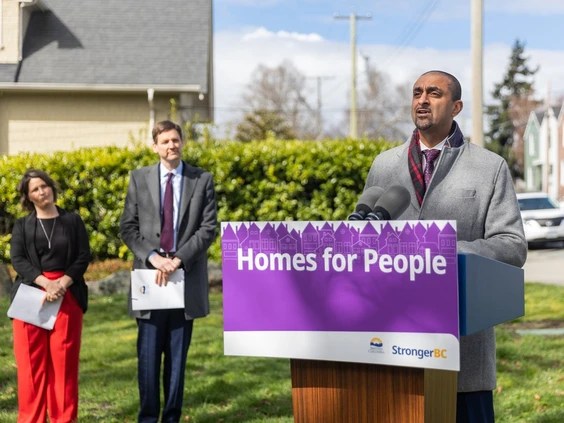
Housing Minister Ravi Kahlon speaks as Grace Lore, an NDP Victoria-area MLA, and Premier David Eby listen at a Victoria-area news conference outlining the B.C. government’s new housing plan on April 3, 2023. Photo by Felipe Fittipaldi /Government of B.C.
Encouraging Sustainable Development:
Building sustainable communities is not just an environmental imperative; it is also a crucial aspect of addressing the housing crisis. Municipalities on the Housing Naughty List must prioritize sustainable development practices, focusing on density, transit-oriented design, and incorporating green spaces. By doing so, we can mitigate the strain on resources, minimize environmental impact, and create vibrant neighborhoods that foster a sense of belonging.
Balancing the Scale:
The selection of small municipalities like Oak Bay and West Vancouver in the initial list of 10 municipalities raised questions about their capacity to contribute significantly to the province’s overall housing stock. However, it is important to strike a balance between larger municipalities that have limited available land but are moving ahead with higher density projects and smaller municipalities that possess land but are slower in implementing housing solutions. Encouraging all municipalities to play their part in housing construction is vital to addressing the housing crisis comprehensively.
Empowering Local Solutions:
Each municipality on the Housing Naughty List has its unique set of challenges and strengths. It is essential to empower local communities to find tailored solutions that address their specific needs. Engaging with residents, soliciting input from community leaders, and establishing task forces can foster a sense of ownership and collaboration, ultimately leading to more effective and sustainable solutions.
Legislative Tools for Change:
The housing targets introduced through the Housing Supply Act represent one of several legislative tools being utilized to override resistance to density from municipalities and neighborhood groups. The province’s plan includes overhauling municipal zoning rules to allow for more “missing-middle” housing, such as townhomes and multiplex homes on single-family lots. Additionally, a flipping tax will be introduced, and all secondary suites will be legalized.
Conclusion:
The unveiling of the Housing Naughty List offers us a glimpse into the complex and far-reaching housing challenges that British Columbia faces. This housing crisis demands immediate and decisive action. It serves as a wake-up call, demanding immediate action and collaboration from all stakeholders involved. By investing in affordable housing, prioritizing sustainable development, and empowering local solutions, BC can pave the way for a future where housing is no longer a privilege, but a fundamental right for all residents of this beautiful province. All stakeholders should embark on a journey towards equitable housing and stronger communities.
The revelation of the expanded list of municipalities on the “naughty list” brings attention to the urgency and magnitude of the problem. It is clear that addressing the housing crisis requires a multi-faceted approach involving collaboration between the government, municipalities, and the private sector.
While concerns and criticisms have been raised regarding the effectiveness and transparency of the housing targets, it is essential to recognize that they represent a step towards tangible solutions. The involvement of an independent adviser and the potential for rezoning demonstrate the government’s commitment to driving progress. However, the authorities should strike some balance between enforcement and incentivization to ensure the cooperation and engagement of municipalities.
Infrastructure development is another aspect of tackling the housing crisis. Municipalities experiencing rapid population growth require support in improving transportation and other essential amenities. Access to federal and provincial funding, along with rewards for meeting housing targets, can provide the necessary resources for infrastructure expansion and improvements.
It is also important to acknowledge that housing challenges extend beyond larger cities. Small municipalities have their own unique opportunities and obstacles in increasing housing supply. Collaboration between larger and smaller municipalities can foster knowledge sharing and best practices, promoting a comprehensive and inclusive approach to addressing the housing crisis.
Legislative tools, such as the Housing Supply Act, demonstrate the government’s commitment to overcoming resistance to density. By allowing for more diverse housing options and legalizing secondary suites, the province aims to create a more inclusive and accessible housing market. These measures can help alleviate the strain on existing housing stock and increase affordability for residents.
While challenges and concerns exist, the housing targets, accompanied by appropriate support and incentives, have the potential to drive meaningful change. Collaboration between all stakeholders, including the government, municipalities, and the private sector, is absolutely needed for addressing the housing crisis comprehensively. By combining legislative measures, infrastructure development, and a balanced approach to enforcement and incentivization, British Columbia can move closer to a more equitable and accessible housing landscape for its residents.
FAQ
Q: What are the 47 municipalities in the “Housing Naughty List”?
A: Alphabetically, here are the municipalities in the “Housing Naughty List”:
• Abbotsford*
• Anmore (village)
• Belcarra (village)
• Burnaby
• Central Saanich (district)
• Chilliwack
• Colwood
• Coquitlam
• Delta*
• Duncan
• Esquimalt (township)
• Highlands (district)
• Kamloops*
• Kelowna
• Ladysmith (town)
• Lake Cowichan (town)
• Langford
• Lantzville (district)
• Langley
• Langley (township)
• Lions Bay (village)
• Maple Ridge
• Metchosin (district)
• Mission
• Nanaimo
• New Westminster
• North Cowichan (district)
• North Saanich (district)
• North Vancouver (city)
• North Vancouver (district)*
• Oak Bay (district)*
• Pitt Meadows
• Port Coquitlam
• Port Moody*
• Prince George
• Richmond
• Saanich (district)*
• Sidney (town)
• Sooke (district)
• Squamish (district)
• Surrey
• Vancouver*
• Victoria*
• View Royal (town)
• West Kelowna
• West Vancouver (district municipality)*
• White Rock*
*Previously announced
 KH Cabinets and Architectural Millwork - Fine Custom Made Cabinetry