Unveiling British Columbia’s Housing “Naughty List”: A Closer Look at the Challenges and Solutions

The BC government unveils 47 municipalities in the province experiencing alarming rate of housing shortages

In the midst of a housing crisis that has gripped British Columbia, a recent article in the Vancouver Sun shed light on an intriguing revelation. Government documents have exposed a comprehensive list of all 47 municipalities that have found themselves on the “Housing Naughty List”. This expanded list includes both fast-growing large cities like Burnaby, Surrey, and Langford, as well as smaller communities like White Rock, Pitt Meadows, and North Cowichan. These municipalities in the “naughty list”, clearly show the need for them to accelerate their housing construction.

As the housing market continues to face unprecedented challenges, this article will delve into the implications of this list, the underlying issues it uncovers, the concerns raised by experts, and the potential solutions that could address the housing crisis and pave the way for a brighter future in British Columbia.

Setting the Stage for Change:
The housing targets, which will be set later this summer, aim to address the pressing housing need and projected growth in these municipalities. To determine which municipalities made the list, a weighted index was used, considering factors such as housing urgency, projected population growth, land availability, and housing affordability. While being on the list does not guarantee that targets will be set in each municipality, it serves as a wake-up call for these communities to take action.

Understanding the Challenges:
Unaffordable housing, limited rental options, and skyrocketing prices have become synonymous with the province’s housing landscape. The Housing Naughty List brings these issues to the forefront, underscoring the urgent need for action. The documents reveal an intricate web of factors that contribute to the housing crisis, including the lack of affordable housing initiatives, regulatory hurdles, and population growth surpassing the availability of suitable dwellings.

Concerns and Criticisms:
Although the housing targets are intended to increase housing supply and affordability, skepticism has arisen among some municipal officials and housing critics. Nanaimo Mayor Leonard Krog questions whether setting targets alone will be effective without significant government and private sector involvement in housing construction. The lack of transparency in the selection process has also been criticized, with calls for greater clarity on how the metrics were calculated, particularly regarding homelessness and social housing needs.

The Ripple Effect:
The repercussions of the housing crisis extend far beyond mere affordability. Families struggle to find suitable accommodations, young professionals face insurmountable barriers to homeownership, and vulnerable populations are pushed to the fringes of society. The Housing Naughty List forces us to confront the broader social, economic, and environmental implications of an imbalanced housing market.

Investing in Affordable Housing:
One key aspect that demands immediate attention is the need for affordable housing initiatives. Governments at all levels must prioritize funding and support to ensure the development of affordable housing options. Collaboration with private developers, streamlined approval processes, and tax incentives can help break down barriers and promote the creation of affordable housing units.

BC Premier David Eby

The Stick and the Carrot Approach:
The government has outlined its approach to ensure compliance with the housing targets. If municipalities fail to meet the targets within six months, an independent adviser will be appointed to provide guidance. In cases where progress remains elusive, the province will exercise its power to rezone entire neighborhoods to create more density. While some officials, like Mayor Krog, argue that a more positive approach is needed, Premier David Eby has promised rewards for communities that successfully meet the housing targets. These rewards include funding for amenities, infrastructure improvements, and access to federal funding through the housing accelerator fund.

Building Bridges to a Solution:
While the challenges are daunting, there is hope on the horizon. The release of the Housing Naughty List acts as a catalyst for change, an opportunity for communities, government bodies, and stakeholders to collaborate and chart a new course. By fostering innovation, implementing creative policy measures, and encouraging public-private partnerships, we can gradually address the multifaceted issues at hand.

Addressing Infrastructure Needs:
Municipalities such as the District of North Vancouver and West Vancouver emphasize the need for federal and provincial cash to address infrastructure demands resulting from population growth. Improved highways, bridges, and other transportation facilities are essential to alleviate congestion in these growing communities. Housing Minister Ravi Kahlon assures that communities meeting the housing targets will be given priority access to federal funding, including the $4-billion housing accelerator fund. Additionally, the $1-billion growing communities fund has already provided cash injections to all municipalities in the province.

Housing Minister Ravi Kahlon speaks as Grace Lore, an NDP Victoria-area MLA, and Premier David Eby listen at a Victoria-area news conference outlining the B.C. government’s new housing plan on April 3, 2023. Photo by Felipe Fittipaldi /Government of B.C.

Encouraging Sustainable Development:
Building sustainable communities is not just an environmental imperative; it is also a crucial aspect of addressing the housing crisis. Municipalities on the Housing Naughty List must prioritize sustainable development practices, focusing on density, transit-oriented design, and incorporating green spaces. By doing so, we can mitigate the strain on resources, minimize environmental impact, and create vibrant neighborhoods that foster a sense of belonging.

Balancing the Scale:
The selection of small municipalities like Oak Bay and West Vancouver in the initial list of 10 municipalities raised questions about their capacity to contribute significantly to the province’s overall housing stock. However, it is important to strike a balance between larger municipalities that have limited available land but are moving ahead with higher density projects and smaller municipalities that possess land but are slower in implementing housing solutions. Encouraging all municipalities to play their part in housing construction is vital to addressing the housing crisis comprehensively.

Empowering Local Solutions:
Each municipality on the Housing Naughty List has its unique set of challenges and strengths. It is essential to empower local communities to find tailored solutions that address their specific needs. Engaging with residents, soliciting input from community leaders, and establishing task forces can foster a sense of ownership and collaboration, ultimately leading to more effective and sustainable solutions.

Legislative Tools for Change:
The housing targets introduced through the Housing Supply Act represent one of several legislative tools being utilized to override resistance to density from municipalities and neighborhood groups. The province’s plan includes overhauling municipal zoning rules to allow for more “missing-middle” housing, such as townhomes and multiplex homes on single-family lots. Additionally, a flipping tax will be introduced, and all secondary suites will be legalized.

Conclusion:
The unveiling of the Housing Naughty List offers us a glimpse into the complex and far-reaching housing challenges that British Columbia faces. This housing crisis demands immediate and decisive action. It serves as a wake-up call, demanding immediate action and collaboration from all stakeholders involved. By investing in affordable housing, prioritizing sustainable development, and empowering local solutions, BC can pave the way for a future where housing is no longer a privilege, but a fundamental right for all residents of this beautiful province. All stakeholders should embark on a journey towards equitable housing and stronger communities.

The revelation of the expanded list of municipalities on the “naughty list” brings attention to the urgency and magnitude of the problem. It is clear that addressing the housing crisis requires a multi-faceted approach involving collaboration between the government, municipalities, and the private sector.

While concerns and criticisms have been raised regarding the effectiveness and transparency of the housing targets, it is essential to recognize that they represent a step towards tangible solutions. The involvement of an independent adviser and the potential for rezoning demonstrate the government’s commitment to driving progress. However, the authorities should strike some balance between enforcement and incentivization to ensure the cooperation and engagement of municipalities.

Infrastructure development is another aspect of tackling the housing crisis. Municipalities experiencing rapid population growth require support in improving transportation and other essential amenities. Access to federal and provincial funding, along with rewards for meeting housing targets, can provide the necessary resources for infrastructure expansion and improvements.

It is also important to acknowledge that housing challenges extend beyond larger cities. Small municipalities have their own unique opportunities and obstacles in increasing housing supply. Collaboration between larger and smaller municipalities can foster knowledge sharing and best practices, promoting a comprehensive and inclusive approach to addressing the housing crisis.

Legislative tools, such as the Housing Supply Act, demonstrate the government’s commitment to overcoming resistance to density. By allowing for more diverse housing options and legalizing secondary suites, the province aims to create a more inclusive and accessible housing market. These measures can help alleviate the strain on existing housing stock and increase affordability for residents.

While challenges and concerns exist, the housing targets, accompanied by appropriate support and incentives, have the potential to drive meaningful change. Collaboration between all stakeholders, including the government, municipalities, and the private sector, is absolutely needed for addressing the housing crisis comprehensively. By combining legislative measures, infrastructure development, and a balanced approach to enforcement and incentivization, British Columbia can move closer to a more equitable and accessible housing landscape for its residents.

FAQ

Q: What are the 47 municipalities in the “Housing Naughty List”?

A: Alphabetically, here are the municipalities in the “Housing Naughty List”:

• Abbotsford*
• Anmore (village)
• Belcarra (village)
• Burnaby
• Central Saanich (district)
• Chilliwack
• Colwood
• Coquitlam
• Delta*
• Duncan
• Esquimalt (township)
• Highlands (district)
• Kamloops*
• Kelowna
• Ladysmith (town)
• Lake Cowichan (town)
• Langford
• Lantzville (district)
• Langley
• Langley (township)
• Lions Bay (village)
• Maple Ridge
• Metchosin (district)
• Mission
• Nanaimo
• New Westminster
• North Cowichan (district)
• North Saanich (district)
• North Vancouver (city)
• North Vancouver (district)*
• Oak Bay (district)*
• Pitt Meadows
• Port Coquitlam
• Port Moody*
• Prince George
• Richmond
• Saanich (district)*
• Sidney (town)
• Sooke (district)
• Squamish (district)
• Surrey
• Vancouver*
• Victoria*
• View Royal (town)
• West Kelowna
• West Vancouver (district municipality)*
• White Rock*

*Previously announced

KH Cabinets May 2023 Newsletter

KH Cabinets – Monthly Newsletter – May 31, 2023 – Vol. IV/MMXXIII

Welcome to KH Cabinets’ Monthly Newsletter!

KH Cabinets is excited to share this newsletter to keep you up-to-date with our latest cabinet making blogs, tips, and industry-related news and articles. We are working hard to provide you with informative and engaging content in the industry.

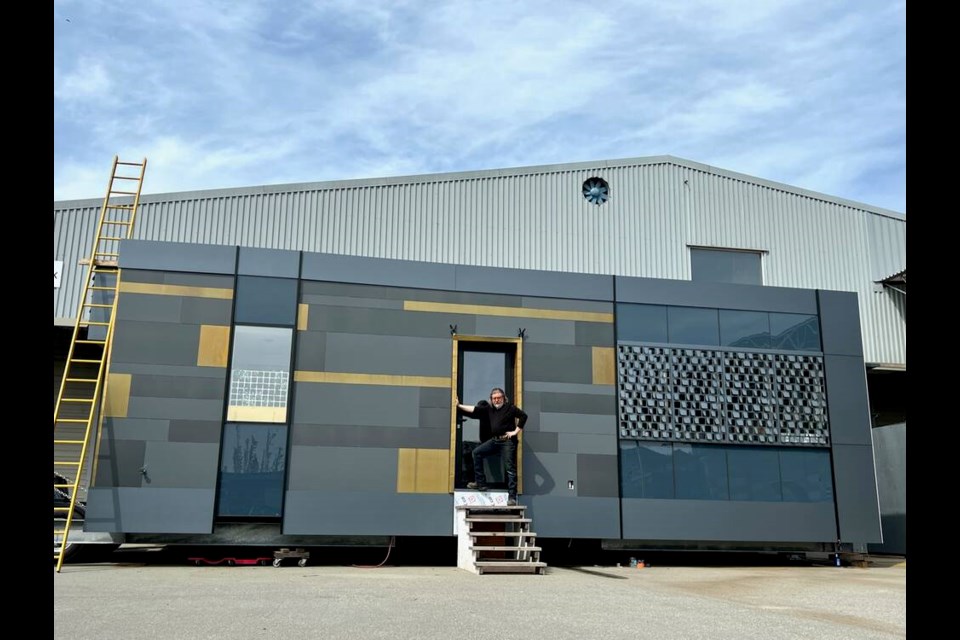
Gregory Palamarz builds aluminum and steel structured house with “very little wood”, by the Fraser River near No. 7 Road

Revolutionizing Home Construction: A Richmond Resident Pioneers Luxury Modular Homes

In the thriving city of Richmond, BC, a visionary resident is transforming our perception of luxury homes. The rise of luxury modular homes is revolutionizing the traditional home-building process, bringing together convenience, sustainability, and cutting-edge design.

READ MORE ON KH CABINETS WEBSITE 

BBB Says Canadians being Fleeced by Home Improvement Scams

A new warning from the Better Business Bureau about the latest methods scammers are using to get at your money. As Julie Nolin reports, you’re being urged to be particularly careful if you are planning home renovations.

CLICK HERE TO WATCH THIS ON GLOBAL NEWS

Missing Millions and Distraught Investors: Case Involving B.C. Man Heads back to Court 

Who is this Victoria, BC based mortgage broker, Greg Martel? And how did he come to owe so many people so much money? He has been accused of running his business like a Ponzi scheme and he owes over $226 million to hundreds of people who bought investments that — according to documents — may not have actually existed.

CLICK HERE TO READ THIS ON CBC

Vancouver Project to Build World’s Tallest Passive House Building Launches

The project to build what has been billed as the world’s tallest building with a Passive House green building design standard in Vancouver officially launched in early May 2023. Named “CURV”, the tower will rise from the mid-block site of 1059-1075 Nelson Street — near the northeast corner of the intersection of Thurlow and Nelson streets in downtown Vancouver’s West End neighbourhood.

CLICK HERE TO READ THIS ON DAILY HIVE

An 18 Year Old Man Arrested in Roofing Scam

An 18-year-old man in Ontario is facing charges after police allege he was involved in an elaborate roofing scam that involved hiring unsuspecting sub-contractors who were never compensated.

WATCH THIS ON GLOBAL NEWS WEBSITE 

How the Land between UBC and Vancouver might become Metro Vancouver’s 22nd Municipality

It is, objectively, the most confusing governance situation for an urban area in all of Canada. On the western edge of the Lower Mainland, between Vancouver’s Blanca Street and the Georgia Strait, exist not one, but two legally distinct communities with no local government.

CLICK HERE TO READ THIS ON CBC 

BMW Shop in East Vancouver Building where Roof Collapsed Sues Owner, Roofer

A pastry shop worker, 40, was killed in the disaster and seven others were rescued. The BMW shop said the pastry shop, roof contractor and bobcat driver failed in their duty that day last summer and he wants damages.

CLICK HERE TO READ THIS ON THE VANCOUVER SUN

Homeowner Stuck with $18K+ Repair Bill after Damage done by Company she did not hire 

What would you do if you were suddenly stuck with a huge bill, all because of someone else’s mistake? It could happen to anyone who hires people to do work at their homes. A desperate homeowner contacted KPRC 2 Investigates after contractors caused thousands of dollars’ worth of damage and now, she can’t get anyone to help.

CLICK HERE TO READ THIS STORY

Introducing the “Cabinet Making Mavericks of Surrey”

Are you tired of bland, boring cabinets that barely pass as functional pieces of furniture in your home? Look no further, because the cabinet-making ….

READ MORE ON KH CABINETS WEBSITE 

Other KH Resources

Click for recent KH Cabinets Newsletters:

KH Cabinets Portfolio: bit.ly/KH-Cabinets-Portfolio

KH Cabinets is hiring! Currently looking for a Cabinet Maker. Click here for details

© 2023 KH Cabinets

KH Cabinets and Architectural Millwork, Inc.

#3 – 8125 130 Street, Surrey, BC, Canada, V3W 7X4

Tel: +1-778-590-7088

Email: Office@KHcabinets.ca

www.KHcabinets.ca

Revolutionizing Home Construction: A Richmond Resident Pioneers Luxury Modular Homes

Gregory Palamarz builds aluminum and steel structured house with “very little wood”, by the Fraser River near No. 7 Road.

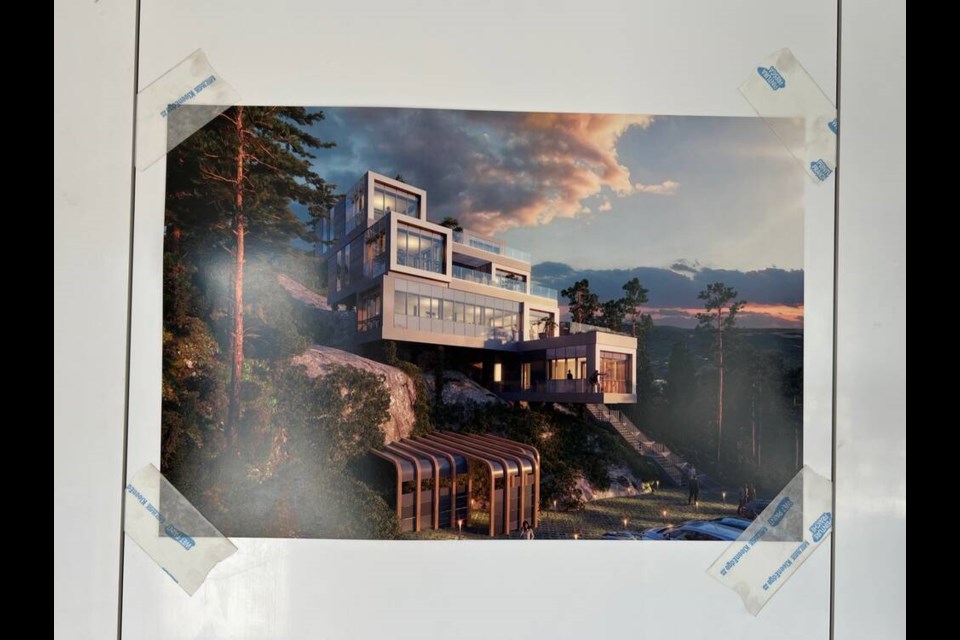
In the thriving city of Richmond, BC, a visionary resident is transforming our perception of luxury homes. The rise of luxury modular homes is revolutionizing the traditional home-building process, bringing together convenience, sustainability, and cutting-edge design. In this blog post, we will delve into the remarkable story of a Richmond, BC resident, who is leading the charge in this groundbreaking field. By leveraging the power of modular construction, Gregory Palamarz, an innovative entrepreneur, is making waves in the real estate industry.

A Visionary’s Quest for Excellence

At the heart of this remarkable tale is a Richmond resident whose passion for reimagining housing ignited the spark of innovation. Combining architectural expertise with a deep understanding of the evolving needs of modern homeowners, this visionary entrepreneur aimed to challenge the established norms of construction. Thus, the journey to build luxury modular homes was born.

Redefining Luxury, One Module at a Time

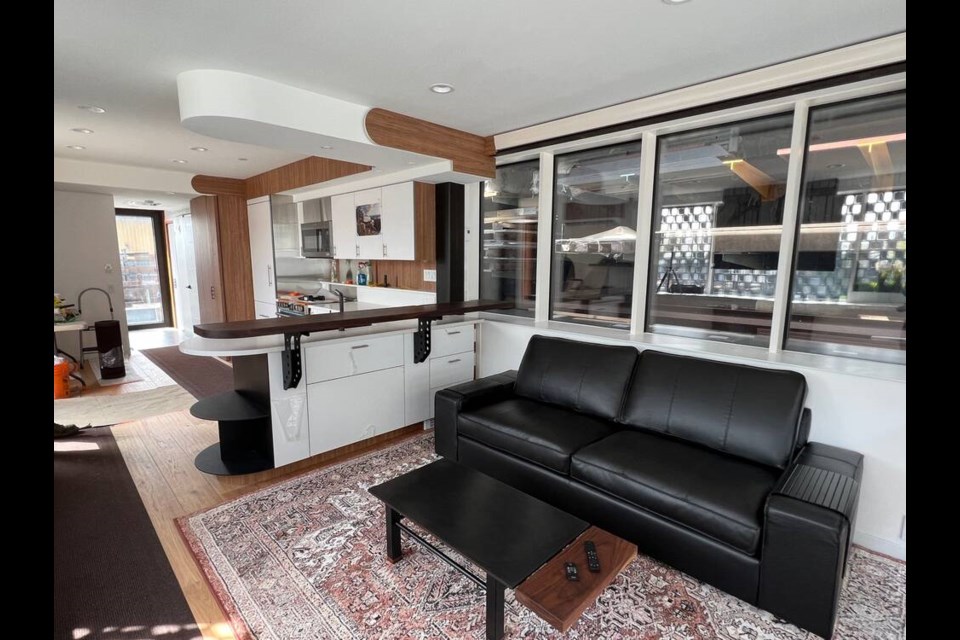
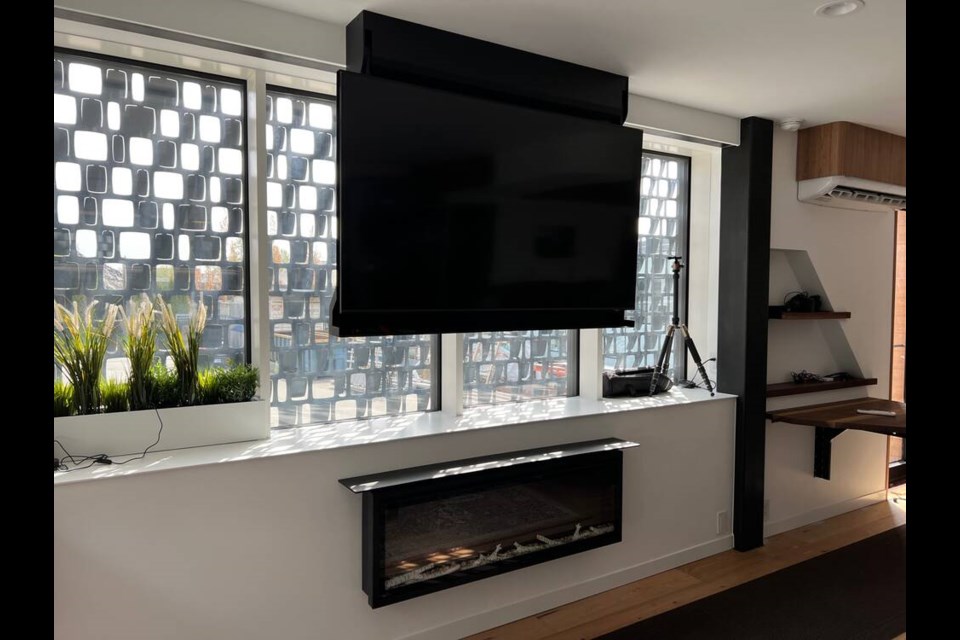
What sets luxury modular homes apart from traditional construction is their distinctive approach to building. Rather than erecting homes on-site, these residences are meticulously assembled using precision-crafted, pre-fabricated modules within a controlled factory environment. This methodology boasts a multitude of advantages, including reduced construction timelines, enhanced quality control, and increased energy efficiency. Equipped with pre-installed air conditioning and a fireplace, these houses can even be tailored with custom-made Murphy beds to suit individual preferences.
Uncompromising Craftmanship and Construction

When it comes to luxury modular homes, the concept of compromise is left far behind. These residences radiate elegance and offer an unparalleled level of customization. From the layout and floor plan to the choice of materials and finishes, homeowners are encouraged to collaborate closely with architects and designers, breathing life into their dream homes. Meticulous attention to detail and an unwavering commitment to craftsmanship ensure that each module adheres to the highest standards of excellence.

Sustainable Living Redefined

Beyond the realm of luxury, modular homes are making strides towards sustainable living. The construction process generates minimal waste and utilizes eco-friendly materials, actively contributing to a reduced carbon footprint. Moreover, these homes are intelligently designed to maximize energy efficiency, incorporating state-of-the-art technologies for heating, cooling, and renewable energy sources. By embracing luxury modular homes, residents can effortlessly enjoy a greener lifestyle without compromising on style or comfort.
The Future of Home Construction

As the popularity of luxury modular homes continues to grow, it is evident that this innovative construction approach is here to stay. Gregory Palamarz spearheading this movement consistently pushes boundaries and challenges industry norms. Driven by an unwavering commitment to excellence and a powerful vision for the future, this developer is effectively redefining the very essence of home, one module at a time.

Recently, we featured BCollective, a renowned North Vancouver Passive House builder, who successfully constructed a house in just a few days in East Vancouver.

Conclusion

While many may still associate modular homes with subpar construction, this Richmond site is shattering this misconception. Luxury modular homes are boldly revolutionizing the way we construct and experience residences, thanks to the innovative spirit of Gregory Palamarz.

By seamlessly blending luxury, sustainability, and customizable design, these homes offer a captivating glimpse into the future of housing. As this visionary entrepreneur continues to redefine the boundaries of home construction, it is an exciting time for prospective homeowners who seek the perfect blend of elegance, functionality, and environmental responsibility.

The era of luxury modular homes has arrived, promising a brighter future for both residents and the planet as a whole.

We, at KH Cabinets Ltd., would love to work with trend-setters like Befama Homes and BCollective. We are always ready to help you from the design stage until completion. If you have custom-made cabinetry projects, please contact us on 778-590-7088 or email us on Office@KHcabinets.ca

KH Cabinets April 2023 Newsletter

KH Cabinets – Monthly Newsletter – May 01, 2023 – Vol. III/MMXXIII

Welcome to KH Cabinets’ monthly newsletter!

KH Cabinets is excited to share this newsletter to keep you up-to-date with our latest cabinet making blogs, tips, and industry-related news and articles. We are working hard to provide you with informative and engaging content in the industry.

Image1: BOSS home built by BCollective

North Vancouver Builder Constructs Frame of a Home in Under Two Days

According to a recent report by RBC, Canada needs to build an additional 332,000 rental units over the next three years to achieve an optimal vacancy rate of three percent. A North Vancouver builder, BCollective, took this urgent need seriously and has come up with an …

CONTINUE READING ON KH CABINETS WEBSITE 

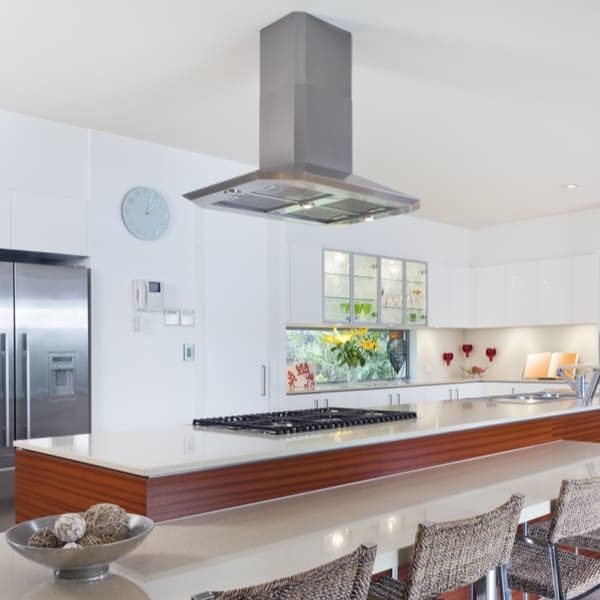
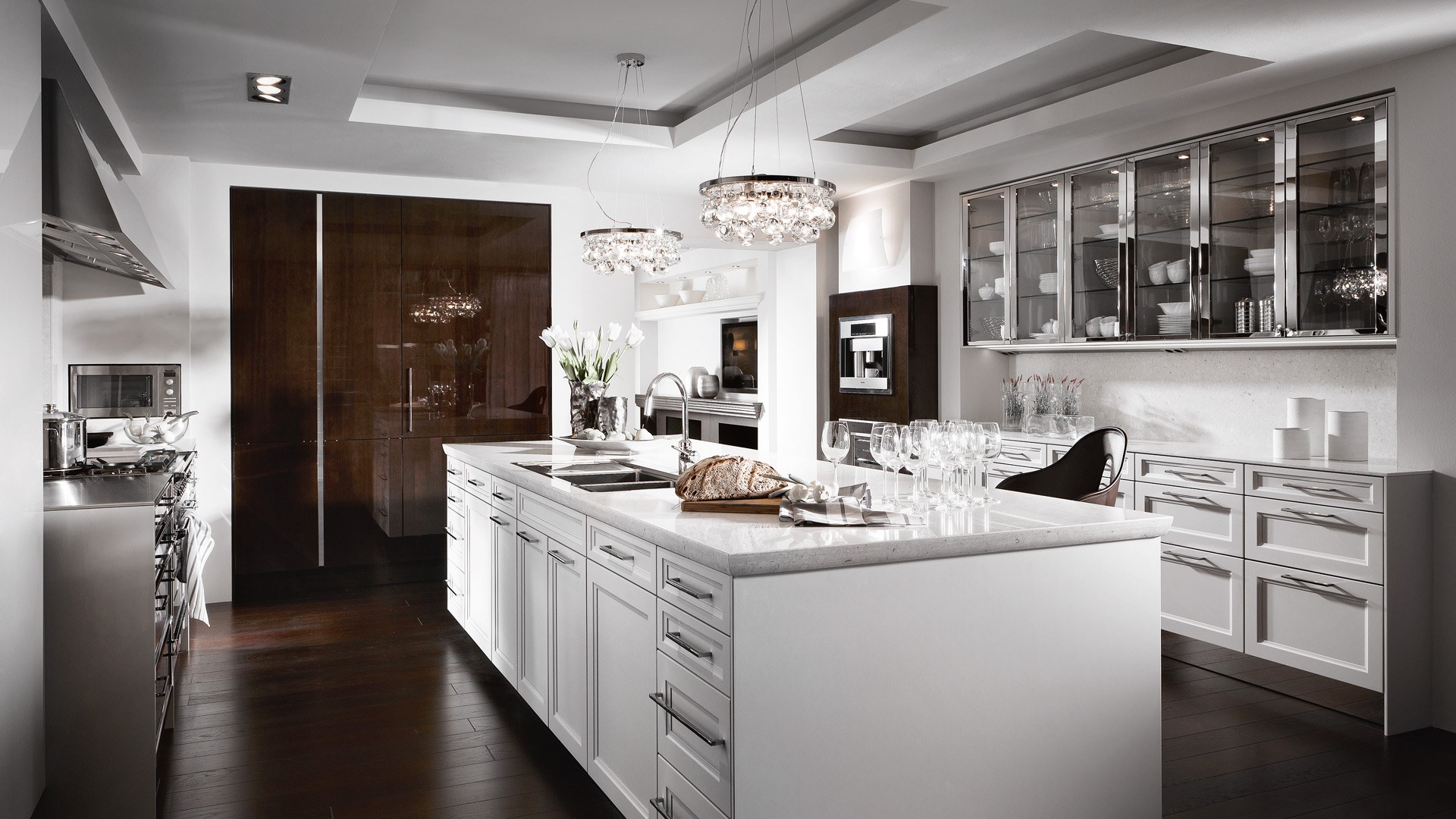
Image2: Beautifully designed kitchen

Fourteen Common Mistakes in Kitchen Design and How to Avoid Them

The kitchen is often considered the heart of a home, serving as a central hub for families to come together, cook meals, entertain guests, and create cherished memories. As such, designing a functional and aesthetically pleasing kitchen is crucial for any homeowner or interior designer. However, … 

READ PART I – HEREREAD PART II – HERE

Image3: City of Surrey, British Columbia

Introducing the “Cabinet Making Mavericks of Surrey”

Are you tired of bland, boring cabinets that barely pass as functional pieces of furniture in your home? Look no further, because the cabinet-making ….

READ MORE ON KH CABINETS WEBSITE 

Industry News

Fraud in B.C.: Developer twice convicted in U.S. leaves condo chaos in Langley

Former Langley real estate developer Mark Chandler sits in Terminal Island, a low-security federal prison in San Pedro, Calif., serving a six-year sentence for a multi-million dollar fraud scheme. It’s his second conviction in the United States.

READ THIS ON THE ALDERGROVE STAR WEBSITE 

CBC Marketplace Investigation: Customers say a pool builder took their money but never delivered

Kurt Wittin sells prefabricated pools made from metal shipping containers, but many of his customers across North America who paid tens of thousands of dollars say their pools never arrived. Despite a trail of bankruptcies and dozens of lawsuits, Wittin is still taking orders and was even featured on HGTV. CBC’s David Common tracks him down to get some answers.

WATCH THIS ON YOUTUBE 

Other KH Resources

Click for recent KH Cabinets Newsletters:

KH Cabinets Portfolio: bit.ly/KH-Cabinets-Portfolio

KH Cabinets is hiring! 

Currently looking for a Cabinet Maker. Click here for details

© 2023 KH Cabinets

KH Cabinets and Architectural Millwork, Inc.

#3 – 8125 130 Street, Surrey, BC, Canada, V3W 7X4

Tel: +1-778-590-7088

Email: Office@KHcabinets.ca

www.KHcabinets.ca

Fourteen Common Mistakes in Kitchen Design and How to Avoid Them (Part II)

In Part I, we discussed the first 7 common mistakes in kitchen design and how to avoid them by giving detailed explanation and specific examples. In this Part II and final post, we will further discuss the remaining seven common mistakes.

8 – Poor Electrical Planning
Electrical planning is another aspect of kitchen design that is often overlooked, but can greatly impact the functionality and safety of your kitchen. Inadequate electrical outlets or improper placement of outlets can lead to a cluttered and inefficient kitchen, as well as create safety hazards with the use of extension cords.

To avoid this mistake, carefully plan the placement and quantity of electrical outlets in your kitchen. Make sure to have enough outlets to accommodate all of your kitchen appliances, including small appliances, such as coffee makers and toasters, as well as larger appliances, such as refrigerators and dishwashers. It’s also important to plan for outlets in key areas for task lighting, such as above the countertops and near the range hood.

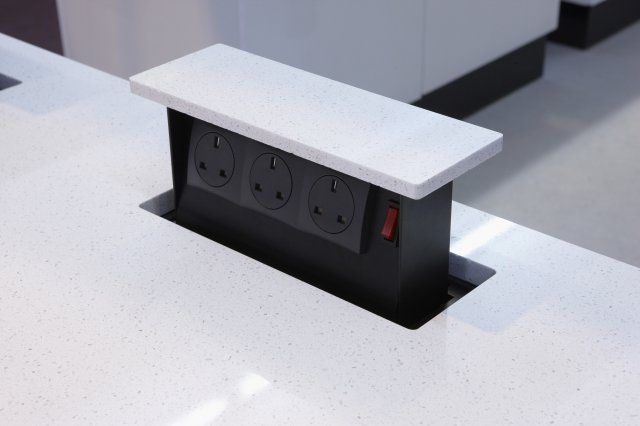
Consider the location of your outlets in relation to your kitchen appliances and ensure they are easily accessible without having to rely on extension cords. Outlets on the backsplash or island are often convenient for countertop appliances, while outlets inside cabinets can be used for hiding electrical cords for a clean and organized look. Be sure to work with a licensed electrician to ensure that all electrical work is done safely and up to code.

9 – Using the Wrong Materials:
Choosing the wrong materials for your kitchen can result in a design that is not only unappealing, but also impractical and difficult to maintain. Using materials that are not durable, water-resistant, or heat-resistant can result in damage, staining, and costly repairs.

Select materials for your kitchen that are suitable for the space and its intended use. For cabinets, choose materials that are durable and water-resistant, such as plywood, hardwood, or marine-grade particleboard. Avoid using materials that are prone to warping or swelling when exposed to moisture, such as MDF or particleboard.

When selecting flooring, choose materials that are durable, water-resistant, and easy to clean, such as tile, hardwood, or vinyl. Avoid using materials that can be easily damaged by water or heat, such as laminate or carpet.

10 – Lack of Electrical Outlets
In today’s modern kitchens, electrical outlets are essential for powering various appliances, devices, and lighting. However, a lack of electrical outlets is a common mistake in kitchen design that can result in a cluttered and inefficient kitchen.

To avoid this mistake, plan for an adequate number of electrical outlets in your kitchen design. Think about the different appliances and devices you will be using in your kitchen and where they will be located. Install outlets in convenient locations, such as above the countertops, near the sink, and on the kitchen island, to provide easy access to power sources.

Consider also installing outlets with USB ports for charging devices, and plan for outlets with ground fault circuit interrupters (GFCIs) near water sources to ensure safety. Properly placed and sufficient electrical outlets can greatly improve the functionality and convenience of your kitchen.

11 – Neglecting the Backsplash
The backsplash is not only a functional element in the kitchen to protect the walls from spills and splashes, but it also adds an aesthetic element to the overall design. Neglecting the backsplash is a common mistake in kitchen design that can result in an unfinished look.

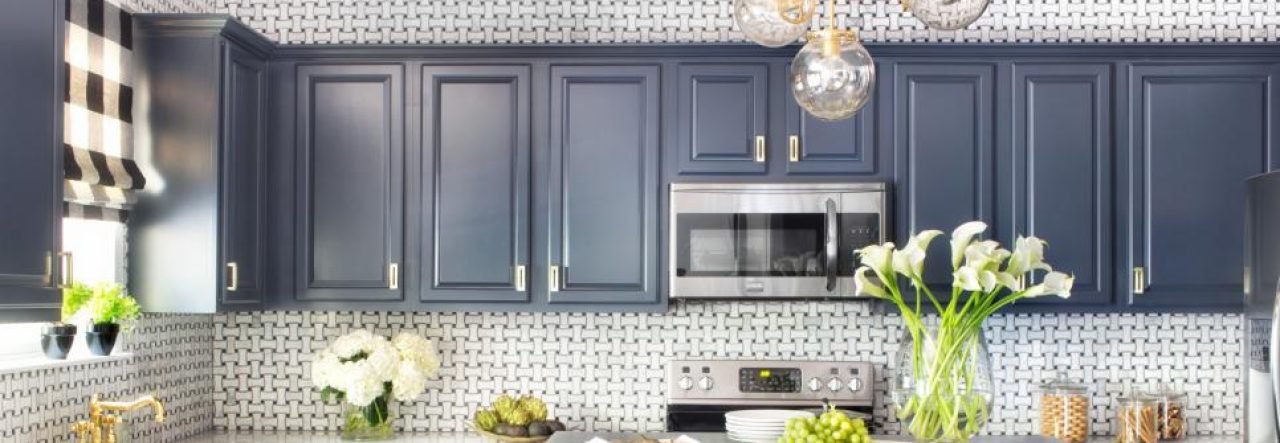
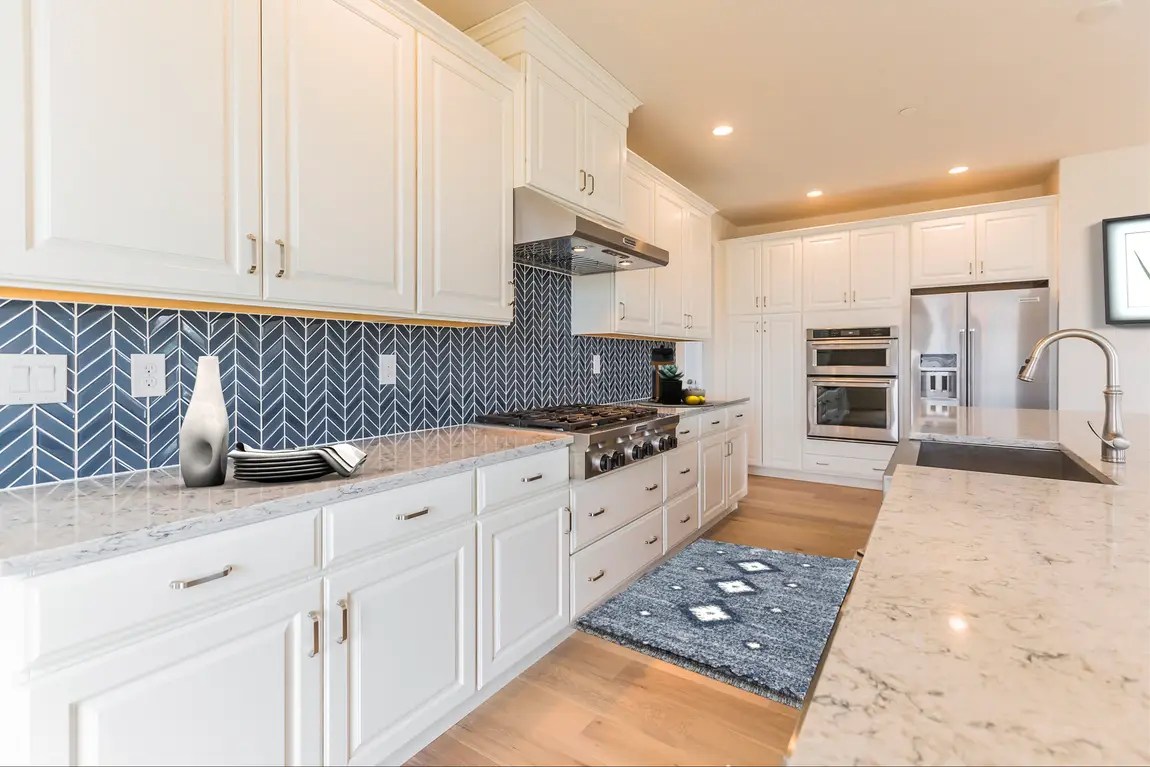
To avoid this mistake, carefully consider the design and material of your backsplash. Choose a material that is easy to clean and complements the style of your kitchen. Consider options such as subway tiles, mosaic tiles, or even a slab of natural stone for a statement backsplash.

Also, plan for the height and coverage of your backsplash. Make sure it extends high enough to protect the walls from splashes and spills, and consider extending it to other areas of the kitchen, such as behind the stove or sink, for added functionality and visual appeal.

12 – Overlooking the Aesthetics
While functionality and practicality are important considerations in kitchen design, aesthetics should not be overlooked. Your kitchen is not only a functional space, but also a space where you will spend a significant amount of time, and it should reflect your personal style and taste.

Avoid the mistake of neglecting the aesthetics of your kitchen by carefully considering the design elements that will make your kitchen visually appealing. This may include the color scheme, materials, finishes, and overall style of your kitchen.

Choose a color scheme that complements the rest of your home and reflects your personal style. Consider the materials and finishes for your cabinetry, countertops, backsplash, and flooring that will create a cohesive and visually pleasing look. For example, if you prefer a modern and sleek style, you may opt for glossy white cabinets, quartz countertops, a metallic backsplash, and polished concrete flooring. On the other hand, if you prefer a more traditional and rustic style, you may choose wood cabinets, natural stone countertops, a subway tile backsplash, and hardwood flooring.

Consider the overall layout and flow of your kitchen to ensure that it is visually appealing and functional. Avoid overcrowding the space with too many cabinets or appliances, as this can make your kitchen feel cramped and cluttered. Instead, aim for a balanced and harmonious design that allows for easy movement and access to all areas of your kitchen.

Incorporate design elements that reflect your personal taste, such as decorative hardware, light fixtures, and backsplash patterns. These small details can add personality and charm to your kitchen and make it a space that you truly enjoy spending time in.

13 – Choosing the Wrong Countertops:
Choosing the right countertops makes a huge difference in the design of your kitchen. Consider durable, heat-resistant, and easy-to-clean countertop materials, such as quartz, granite, or butcher block, and choose a material that can withstand the demands of daily kitchen use, and suits your needs and style. Avoid using materials that are easily scratched or stained, such as laminate or soft woods.

Plan for countertops on both sides of your sink and stove for convenient food prep and cooking. Islands or peninsulas can also provide additional counter space and serve as a gathering place for guests. Also, think about the height of your countertops and make sure they are ergonomically designed for your comfort and ease of use.

14 – Failing to Future-Proof:
Lastly, failing to future-proof your kitchen design can result in a space that becomes outdated and requires renovations in the near future. It’s essential to plan for the future and consider the longevity and sustainability of your kitchen design.

When designing your kitchen, consider the long-term usability and functionality of the space. Avoid trendy and fad-based designs that may go out of style quickly. Instead, opt for timeless and classic designs that can stand the test of time.

Conclusion

Designing a functional and aesthetically pleasing kitchen requires careful consideration of various factors, and avoiding common mistakes can help ensure a successful outcome. By being mindful of the kitchen’s layout, workflow, storage, lighting, materials, and sustainability, you can create a space that not only looks beautiful but also functions efficiently for your everyday needs.

Consider incorporating energy-efficient appliances and lighting to save on utility costs and reduce your carbon footprint. Think about the overall sustainability of your kitchen design by choosing eco-friendly materials, such as reclaimed wood, or recycled materials.

When designing your kitchen, take the time to carefully plan the layout, consider the needs of your household, choose quality materials, incorporate efficient storage solutions, and pay attention to lighting and aesthetics. Seek the help of a professional kitchen designer if you are unsure about any aspect of your kitchen design. A professional designer can provide valuable insights, recommendations, and expertise to help you create the kitchen of your dreams.

By avoiding common mistakes in kitchen design and following best practices, you can create a kitchen that not only looks stunning, but also meets all your needs and enhances your daily living experience. So, take the time to plan, research, and make informed decisions, and you’ll have a beautiful and functional kitchen that you’ll love for years to come. Happy designing!

FAQs:

Frequently Asked Questions (FAQs):

Q: How can I incorporate sustainability into my kitchen design?
A: You can incorporate sustainability into your kitchen design by:

  • Choosing eco-friendly materials, such as bamboo, reclaimed wood, or recycled materials for cabinetry, countertops, and flooring.
  • Installing energy-efficient appliances, such as those with ENERGY STAR ratings, to reduce your energy consumption.
  • Incorporating proper insulation and ventilation to improve energy efficiency and indoor air quality.
  • Using low-flow faucets and fixtures to conserve water.
  • Recycling and properly disposing of kitchen waste, such as food scraps and packaging, through composting or recycling programs.
  • Opting for reusable or sustainable alternatives to single-use items, such as reusable shopping bags, cloth napkins, and glass containers for food storage.
  • Choosing durable materials and finishes that will last longer and require less frequent replacement, reducing waste and environmental impact.
  • Designing a layout that maximizes natural light to reduce the need for artificial lighting during the day.
  • Considering the lifecycle of products and materials used in your kitchen, from production to disposal, and choosing those with lower environmental impact.

Q: What are some tips for choosing kitchen materials and finishes?
A: When choosing materials and finishes for your kitchen, consider the following tips:

  • Durability: Choose materials that are durable and can withstand the wear and tear of daily use in a kitchen environment.
  • Maintenance: Consider the maintenance requirements of different materials and finishes, such as cleaning, sealing, and refinishing, and choose ones that fit your lifestyle and maintenance preferences.
  • Aesthetics: Select materials and finishes that complement the overall style and color scheme of your kitchen.
  • Budget: Keep your budget in mind and choose materials and finishes that are within your budgetary constraints.
  • Environmental impact: Consider the environmental impact of the materials and finishes you choose, and opt for eco-friendly or sustainable options when possible.
  • Cohesiveness: Ensure that the materials and finishes you choose create a cohesive and harmonious look in your kitchen, avoiding clashing styles or conflicting colors.
  • Functionality: Choose materials and finishes that are functional for your specific needs, such as heat resistance for countertops near the stove or moisture resistance for backsplashes near the sink.
  • Longevity: Consider the longevity of the materials and finishes in terms of their ability to withstand trends and remain timeless over the years.
  • Samples: Always request samples of materials and finishes before making final decisions to see how they look and feel in your space and under different lighting conditions.

Q: Can you suggest some space-saving storage solutions for my kitchen?
A: Some space-saving storage solutions for your kitchen include:

  • Pull-out shelves or drawers: These allow for easy access to items at the back of cabinets or pantry shelves without having to reach or bend over.
  • Corner storage solutions: Lazy Susan cabinets, corner drawers, or swing-out shelves can make use of otherwise wasted corner space in your kitchen.
  • Overhead pot and pan racks: These can keep your cookware organized and easily accessible, freeing up cabinet space.
  • Pegboard or hooks: Installing pegboard or hooks on the walls or inside cabinet doors can provide additional storage for pots, pans, utensils, or cutting boards.
  • Magnetic knife strips: These can keep your knives safely stored and easily accessible on the walls, freeing up counter space.
  • Under-sink organizers: These can make use of the often underutilized space under the sink for storing cleaning supplies or other kitchen items.
  • Wall-mounted dish drying rack: This can save counter space and keep your dishes organized and dry.
  • Drawer dividers: These can help you keep your utensils, cutting boards, or baking sheets neatly organized in drawers.
  • Vertical storage for baking sheets and cutting boards: Installing vertical dividers in cabinets or on the inside of cabinet doors can keep your baking sheets and cutting boards upright and easy to access.
  • Hanging baskets or hooks: These can be used to store fruits, vegetables, or other items that don’t require refrigeration, freeing up counter or cabinet space.

Q: How important is lighting in kitchen design?
A: Lighting is a crucial aspect of kitchen design as it affects the functionality, safety, and aesthetics of the space. Proper lighting can enhance the overall ambiance, highlight key areas, and make tasks easier to perform. Here are some key points to consider:

  • Task lighting: Task lighting provides focused illumination for specific work areas, such as the countertop, sink, or stove. It is essential for performing tasks safely and efficiently in the kitchen.
  • Ambient lighting: Ambient lighting creates a general, overall illumination in the kitchen and sets the mood for the space. It can be achieved through ceiling fixtures, recessed lights, or wall sconces.
  • Accent lighting: Accent lighting adds drama and visual interest to the kitchen by highlighting specific features, such as a backsplash, artwork, or a decorative piece. It can be achieved with spotlights, track lighting, or under-cabinet lights.
  • Natural lighting: Natural lighting is also crucial in kitchen design, as it helps to create a warm and welcoming atmosphere. Maximize natural light by incorporating windows, skylights, or glass doors into your kitchen design.
  • Dimmer switches: Installing dimmer switches allows you to adjust the intensity of the lighting to suit different needs and moods in the kitchen.
  • Light fixture placement: Consider the placement of light fixtures to ensure even illumination without creating harsh shadows or dark areas. Avoid placing fixtures directly above the head or behind the user, as it may create shadows on the countertop.
  • Light bulb selection: Choose the right type of light bulbs that provide the desired color temperature (warm, cool, or neutral) and brightness for your kitchen. LED bulbs are energy-efficient and have a long lifespan, making them a popular choice for kitchen lighting.
  • Lighting design for open-concept kitchens: If your kitchen is part of an open-concept space, consider how the lighting in the kitchen blends with the lighting in the adjacent areas to create a cohesive look and feel.

Fourteen Common Mistakes in Kitchen Design and How to Avoid Them (Part I)

The kitchen is often considered the heart of a home, serving as a central hub for families to come together, cook meals, entertain guests, and create cherished memories. As such, designing a functional and aesthetically pleasing kitchen is crucial for any homeowner or interior designer. However, kitchen design can be complex, and mistakes are common.

In this article, we will explore the first seven of fourteen common mistakes in kitchen design and provide tips on how to avoid them.

1 – Poor Space Planning
One of the most common mistakes in kitchen design is poor space planning. A poorly laid out kitchen can be frustrating and inefficient to work in, leading to unnecessary movements and wasted time. To avoid this mistake, it’s important to carefully plan the layout of your kitchen based on the available space and your needs.

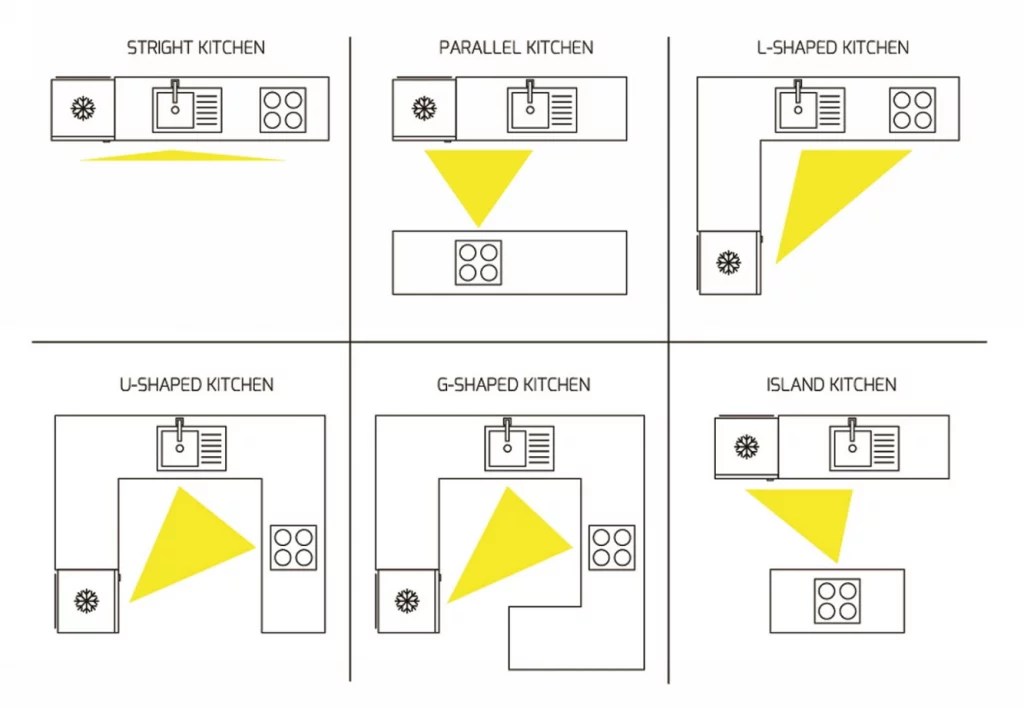
When designing your kitchen, consider the classic “work triangle” concept, which involves placing the sink, refrigerator, and stove in a triangular formation for easy access and efficiency. Avoid placing these three elements too far apart or too close together, as it can disrupt the flow of the kitchen. Also, make sure to have ample counter space near the sink and stove for food prep and cooking tasks.

Additionally, think about the location of your kitchen’s storage areas, such as cabinets and drawers. Keep frequently used items within easy reach and consider installing pull-out shelves or drawers for better accessibility. Consider the workflow of your kitchen and ensure that it makes sense for your cooking style and needs.

2 – Inadequate Storage
Insufficient storage space is another common mistake in kitchen design. A cluttered kitchen not only looks messy, but it can also be frustrating to work in. To avoid this mistake, plan for ample storage solutions in your kitchen design.

Consider the types of items you will need to store in your kitchen, such as cookware, dishes, and small appliances, and plan accordingly. Utilize cabinets, drawers, and shelves effectively to maximize storage space. Install tall cabinets that reach the ceiling to make use of vertical space, and incorporate features such as built-in spice racks, pot and pan organizers, and utensil dividers to keep items organized and easily accessible.

If you have limited space, consider creative storage solutions such as corner cabinets, pull-out pantries, or overhead pot racks to make the most of every inch of space. Customized storage solutions can also be a great option, as they can be tailored to your specific needs and preferences.

3 – Neglecting Storage Solutions
Another common mistake in kitchen design is neglecting storage solutions. Without proper storage, your kitchen can quickly become cluttered and disorganized, making it difficult to find and access items when you need them.

To avoid this mistake, carefully plan for adequate storage in your kitchen design. This may include cabinets, drawers, shelves, and pantry space. Consider the types of items you will be storing in your kitchen, such as pots and pans, dishes, utensils, food containers, and small appliances, and plan for storage solutions that will accommodate these items efficiently.

Incorporate a variety of storage options, such as deep drawers for pots and pans, pull-out shelves for easy access to items in the back of cabinets, and adjustable shelves to accommodate items of various sizes. Consider incorporating a pantry cabinet to store dry goods, canned goods, and other pantry items in an organized and easily accessible manner.

Don’t forget about vertical storage options as well, such as utilizing the space above your cabinets for storing items that are used less frequently or adding hooks or pegboards on walls for hanging pots, pans, and utensils.

4 – Poor Lighting
Lighting is an important aspect of kitchen design that is often overlooked. Insufficient or poorly placed lighting can make your kitchen feel dark and uninviting, as well as hinder your ability to perform tasks safely and efficiently. To avoid this mistake, plan for adequate and well-placed lighting in your kitchen.

To avoid this mistake, plan for a combination of ambient, task, and accent lighting in your kitchen design. Ambient lighting provides overall illumination and can be achieved through ceiling fixtures, pendant lights, or recessed lighting. Task lighting is focused lighting that provides illumination for specific tasks, such as under-cabinet lighting for countertop tasks, pendant lights over an island for food prep, or a light over the stove for cooking. Accent lighting adds a decorative element to your kitchen and can be achieved through the use of decorative fixtures or LED strip lighting.

Consider the placement and intensity of your lighting to ensure that your kitchen is well-lit and functional. Avoid placing overhead lighting directly above your head when standing at the countertops, as this can create shadows and make food prep difficult. Instead, consider placing lighting in strategic locations, such as under cabinets, above the sink, and over the island, to provide adequate task lighting where it’s needed.

5 – Neglecting Ventilation
Proper ventilation is crucial in a kitchen to remove smoke, odors, and excess moisture. Neglecting ventilation is a common mistake that can result in a kitchen that is uncomfortable to work in and may even pose health risks. To avoid this mistake, make sure to incorporate adequate ventilation in your kitchen design.

There are several options for kitchen ventilation, including range hoods, exhaust fans, and downdraft vents. Range hoods are a popular choice as they can effectively remove smoke, steam, and odors from the kitchen while also adding a stylish element to the space. When selecting a range hood, make sure it is appropriately sized for your cooktop or range, and that it is properly installed to vent to the outside of your home.

Exhaust fans can also be used in conjunction with range hoods or as standalone ventilation solutions. They can be installed on walls, ceilings, or windows and are effective in removing excess moisture and odors from the kitchen.

Downdraft vents are another option, which are installed directly into the countertop or cooktop and rise up when in use to draw in fumes and odors.

Proper ventilation is not only important for maintaining a clean and odor-free kitchen, but it also helps to improve indoor air quality and prevent the buildup of harmful pollutants. Don’t overlook the importance of ventilation in your kitchen design to ensure a healthy and comfortable cooking environment.

6 – Ignoring the Work Triangle
The concept of the work triangle is crucial in kitchen design. The work triangle refers to the efficient arrangement of the sink, refrigerator, and stove in a triangular formation, with each element being easily accessible without having to take unnecessary steps. The positioning of appliances in the kitchen is another common mistake in kitchen design. Poorly positioned appliances can disrupt the flow of the kitchen and make it inconvenient and inefficient to use. Ignoring the work triangle can lead to an inefficient and inconvenient kitchen layout.

To avoid this mistake, carefully consider the placement of the sink, refrigerator, and stove in your kitchen design. Ideally, these three elements should be placed in close proximity to each other, forming a triangle shape. The total sum of the three sides of the work triangle should typically not exceed 26 feet, and no single side should be less than 4 feet or more than 10 feet. This allows for easy movement and efficient workflow in the kitchen.

Consider the location of electrical outlets and gas or water connections when planning the placement of your appliances. Make sure they are easily accessible and properly installed for safe and efficient operation.

7 – Inadequate Counter Space
Adequate counter space is very important in the kitchen, however, inadequate counter space is a common mistake in kitchen design. Having enough counter space is great for food prep, cooking, other kitchen tasks, and entertain guests. Without enough counter space, your kitchen can quickly feel cramped and cluttered.

To avoid this mistake, plan for ample counter space in your kitchen design. When designing your kitchen, consider the layout of your kitchen and the available space, and try to maximize the amount of counter space you can include.

Avoid cluttering your countertops with too many appliances or decorative items, and prioritize functionality and usability.

Conclusion

Designing a kitchen can be a complex and challenging process, but by avoiding common mistakes, you can create a functional, efficient, and visually appealing space that meets your needs and reflects your personal style. Avoiding mistakes such as poor space planning,inadequate storage, inadequate ventilation, inefficient workflow, and neglecting storage solutions can help you create a kitchen that is not only beautiful, but also highly functional.

Choose durable and high-quality materials that can withstand daily wear and tear and require minimal maintenance. Plan for flexibility in your kitchen design to accommodate changing needs, such as aging in place or accommodating different family members’ heights and abilities.

Plan ahead, and take into account your own lifestyle and preferences when designing your kitchen. Avoiding the above common mistakes in kitchen design can save you time, money, and frustration in the long run, and result in a kitchen that you will love for years to come.

Remember that a well-designed kitchen is an investment in your home and can greatly enhance your daily living experience. It’s a space where you’ll spend a significant amount of time, so it’s worth putting in the effort to ensure that it is functional, efficient, and visually appealing.

In Part II, we will further discuss the remaining seven common mistakes in kitchen design, including electrical, lighting, backsplash, countertops, and more.

FAQs:

Frequently Asked Questions (FAQs):

Q: What is the ideal layout for a functional kitchen?
A: The ideal layout for a functional kitchen is often referred to as the “kitchen work triangle.” It is a design concept that suggests the sink, stove, and refrigerator should be placed in close proximity to each other to create an efficient workflow. The total distance between the three points of the triangle should be between 12 to 26 feet for optimal functionality.

Q: How much countertop space do I need in my kitchen?
A: The amount of countertop space you need in your kitchen depends on your specific needs and cooking habits. As a general guideline, it’s recommended to have at least 36 to 48 inches of countertop space on either side of the sink for food preparation tasks. Additionally, having ample countertop space near the stove and refrigerator for placing hot pots and pans or setting down groceries is also important.

Q: What are some common mistakes to avoid in kitchen lighting design?
A: Some common mistakes to avoid in kitchen lighting design include inadequate lighting, poor placement of fixtures, and not considering different types of lighting. It’s important to have a good balance of ambient, task, and accent lighting in the kitchen to create a well-lit and functional space. Avoid placing fixtures directly above the head or casting shadows on the countertop or sink. Consider under-cabinet lighting for task lighting and pendant lights or chandeliers for ambient and accent lighting.

Q: How can I make my small kitchen feel larger?
A: There are several design techniques you can use to make a small kitchen feel larger. These include:

  • Choosing lighter colors for walls, cabinets, and countertops to create an open and airy feel.
  • Installing ample lighting to brighten up the space and eliminate dark corners.
  • Using mirrors or glass-front cabinets to reflect light and create an illusion of more space.
  • Opting for streamlined and minimalistic cabinetry and appliances to reduce visual clutter.
  • Utilizing vertical space with tall cabinets or shelves for additional storage.
  • Keeping the countertops clear of unnecessary items to create a sense of openness and cleanliness.
  • Choosing multi-functional furniture or appliances to save on space.
  • Using open shelving to display items strategically and add visual interest without overwhelming the space.

Q: What are some common mistakes in kitchen design?
A: Some common mistakes in kitchen design include inadequate storage, poor lighting, improper layout, lack of ventilation, using the wrong materials, not considering workflow, neglecting safety, overlooking electrical outlets, not planning for seating, and ignoring the overall style and aesthetics.

Q: Can I fix these mistakes if I have already made them in my kitchen design?
A: Yes, in many cases, it is possible to fix these mistakes even if you have already made these mistakes in your kitchen design. However, it may require additional time, effort, and cost to correct the issues. It is always best to address any mistakes as early as possible to avoid unnecessary delays and expenses.

Q: How much countertop space do I need in my kitchen?
A: The amount of countertop space you need in your kitchen depends on your specific needs and cooking habits. As a general guideline, it is recommended to have at least 36 to 48 inches of countertop space on either side of the sink for food preparation tasks. Additionally, having ample countertop space near the stove and refrigerator for placing hot pots and pans or setting down groceries is also important.

Q: What are some common mistakes to avoid in kitchen lighting design?
A: Some common mistakes to avoid in kitchen lighting design include inadequate lighting, poor placement of fixtures, and not considering different types of lighting. You should have a good balance of ambient, task, and accent lighting in the kitchen to create a well-lit and functional space. Avoid placing fixtures directly above the head or casting shadows on the countertop or sink. Consider under-cabinet lighting for task lighting and pendant lights or chandeliers for ambient and accent lighting.

Q: How can I avoid these common mistakes in my kitchen design?
A: To avoid these mistakes, it’s important to plan carefully and consider all aspects of kitchen design, including storage, lighting, layout, ventilation, materials, workflow, safety, electrical outlets, seating, and style. Taking the time to think through these elements will ensure that your kitchen is both functional and beautiful.

North Vancouver Builder Constructs Frame of a Home in Under Two Days

The BOSS Initiative Revolutionizes Construction of Faster and Greener Homes in Metro Vancouver

According to a recent report by RBC, Canada needs to build an additional 332,000 rental units over the next three years to achieve an optimal vacancy rate of three percent. A North Vancouver builder, BCollective, took this urgent need seriously and has come up with an efficient way of building homes.

​As the demand for affordable and efficient housing continues to grow, innovative construction methods are emerging to meet the needs of the modern homeowner. The construction industry is constantly evolving, and BCollective is pushing the boundaries of what’s possible with their innovative approach to building homes. 

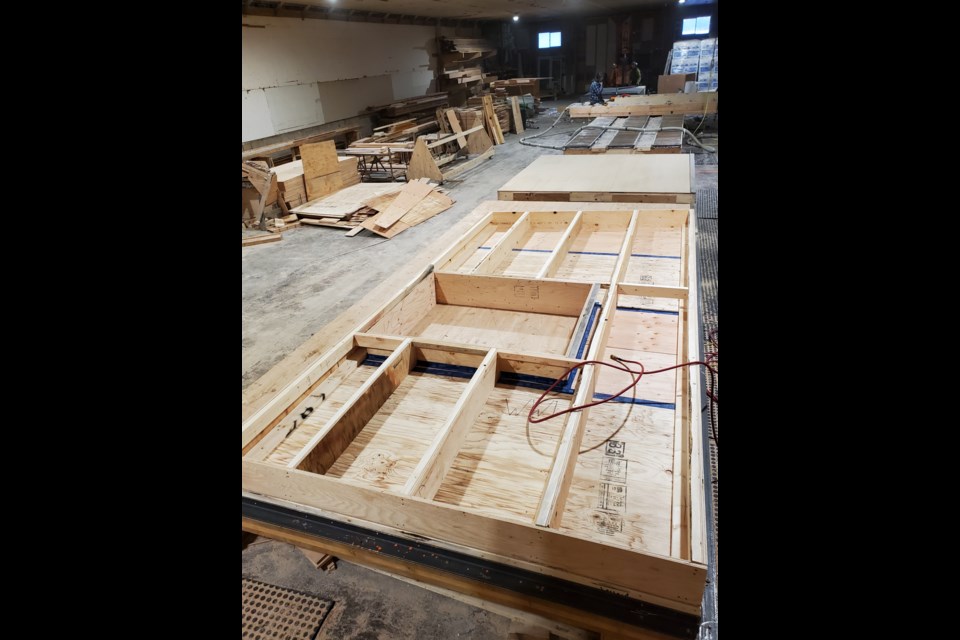
BCollective Homes recently completed the frame of a home in under two days using their Building Offsite Sustainable Systems (BOSS) initiative, which involves manufacturing components of the home off-site in a controlled factory setting, resulting in significant time and cost savings, as well as reduced environmental impact.

Image: Framed-Home-on-Truck-BCollective-Homes

BCollective Homes is making waves in the industry by constructing the frame of a home in under two days, using cutting-edge technology and sustainable materials. This groundbreaking approach is revolutionizing the way homes are built and has the potential to transform the future of construction in metro Vancouver and beyond.

Traditional home construction can be time-consuming and labor-intensive, involving multiple stages and numerous workers. However, BCollective Homes has adopted a more streamlined and efficient process that combines technology and sustainability to drastically reduce construction time and costs.

According to Chris Hill, the president of BCollective Homes, the BOSS initiative is a catalyst for collaboration. The company is actively sharing their methods with the public through workshops, with the aim of increasing the supply of sustainable housing in the market and ultimately bringing down prices. Hill recognizes that, in the face of Canada’s urgent need for more rental units, time is of the essence in the construction industry.

Image: Erected-BCollective-Homes

The traditional timeline for assembling a BOSS home, from initial installation on-site to the owners moving in, is roughly four to five months, but Hill and his team are actively working to reduce this timeline further. The manufacturing process for the panels used in the home’s frame typically takes a couple of weeks, demonstrating the significant time-saving potential of the BOSS approach.

“The BOSS initiative is a catalyst for collaboration,” said Hill. “It’s publicly available; we’re sharing a lot of this. We’ve got three workshops. We’re running 150 to 200 people through this to really share what we’re doing, because ultimately, if there’s enough supply in the market, prices will come down.” 

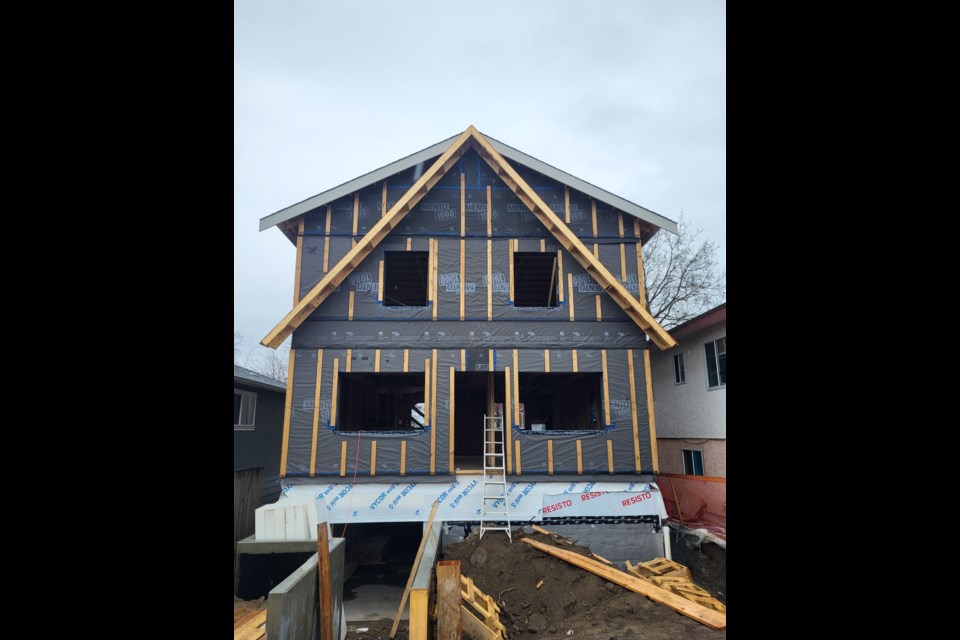
Image: Frame-under-construction-BCollective-Homes

The speed at which the home’s frame was constructed, approximately 18 hours, resulted in an estimated 20 percent reduction in overall project costs, according to BCollective. In addition to the cost savings, the BOSS approach also minimizes on-site disruptions such as noise, waste, and environmental impact.

“The construction noise on-site was really quiet. For the crew and that neighborhood, the impact of noise, trucks coming and going, saws, sawdust, and waste… it’s real. Construction is a messy, dirty thing. And it was pretty amazing to see it go up that quickly and really have that positive effect,” says Hill. “Neighbours were literally jumping for joy on their deck, watching this thing go up… they were like two thumbs up.”

The environmental benefits of the BOSS initiative are also significant. Greenhouse gas emissions as a result of the project were reduced by approximately 40 percent, according to BCollective Homes. The panels used in the construction of BOSS homes are carbon-storing, which is critical in the fight against climate change.

Many traditional construction materials, such as concrete, are carbon-positive and contribute to environmental degradation. BCollective Homes is actively working towards reducing the construction industry’s carbon footprint through their innovative approach.

“Which is really critical because concrete or so many other products are [carbon-positive], and are contributing to that climate change issue. And that’s what we’re really working towards, is how can we as an industry reduce that number?” says Hill

“By erecting a house with all these panels in a couple of days, it’s allowing us to change the paradigm a little bit, and we’re speeding everything up,” Hill concludes. 

The first installation of a BOSS home, a 2,700-square-foot property, is located on the 3000 block of East 22nd Street in Vancouver. The success of this project has garnered attention from the construction industry and beyond, with many recognizing the potential of the BOSS initiative to revolutionize the way homes are built in Canada.

Image: AI-Rendering-Completed-Home-BCollective-Homes

As the demand for affordable and sustainable housing continues to rise, BCollectives’ innovative construction approach provides a promising solution to meet the needs of potential home buyers. By combining sustainable materials, advanced technology, and efficient construction methods, BCollective is setting a new standard for home construction in Metro Vancouver and beyond.

BCollectives’ approach not only benefits homeowners, but also has the potential to positively impact the environment, the construction industry, and the overall quality of housing.

Municipal, provincial, and federal governments should pay special attention to companies like BCollective Homes, and their innovative solutions, and extend support and partnership for greener, more efficient, and cost-effective home building technologies.

In conclusion, constructing a home in under two weeks may seem like an impossible feat for most builders in British Columbia, but BCollective Homes has made it a reality. BCollective’s revolutionary approach to home construction is transforming the way homes are built, setting a new standard for efficiency, sustainability, and innovation. Through the use of technology, and streamlined construction methods, BCollective is leading the charge in creating affordable, sustainable, and aesthetically pleasing homes that meet the needs of the modern Metro Vancouver homeowner.

We, at KH Cabinets Ltd., endorse technologies that positively contribute to our cities and communities. BOSS is one of the technologies we wholeheartedly support.

We would love to work with companies that are trend-setters. If you have custom-made cabinetry projects, please contact us on 778-590-7088 or email us on Office@KHcabinets.ca

For more information, visit: www.KHcabinets.ca

KH Cabinets March 2023 Newsletter

Hello! 🇨🇦 

KH Cabinets – Monthly Newsletter – March 31, 2023 – Vol. II/MMXXIII

Welcome to KH Cabinets’ monthly newsletter!

KH Cabinets is excited to share this newsletter to keep you up-to-date with our latest cabinet making blogs, tips, and industry-related news and articles. The winter is behind us, and we are excited to see what spring could bring. We are working hard to provide you with informative and engaging content in the industry.

Continue reading “KH Cabinets March 2023 Newsletter”

26 Renovation Projects You Should Not Attempt To Do Yourself As a DIY (Part II)

Some DIY (Do It Yourself) projects may require highlevel skillset than others

In Part I, we discussed home projects you should not try as a do-it-yourself (DIY). While Part I has a good list of renovations you should not attempt to DIY, we thought, the list was not exhaustive enough and so we are writing Part II.

Yes, in some instances, you might be able to save money doing projects by yourself, but case studies have shown that the savings are not that much significant when you consider the amount of time, energy, and capital you will be spending.

Continue reading “26 Renovation Projects You Should Not Attempt To Do Yourself As a DIY (Part II)”

26 Renovation Projects You Should Not Attempt To Do Yourself As a DIY (Part I)

Some DIY (Do It Yourself) projects are more challenging than others

As homeowners, we all have a list of home projects we want to try. Maybe it’s a new paint color in the living room or updating the kitchen countertops. Although certain DIY projects can provide a sense of accomplishment and save money, it’s important to recognize that there are also some projects that should not attempt to do it yoursef. We will discuss the first 13 home projects you should never try. We will discuss Part II in a new blog post.

Continue reading “26 Renovation Projects You Should Not Attempt To Do Yourself As a DIY (Part I)”