In Part I, we discussed the first 7 common mistakes in kitchen design and how to avoid them by giving detailed explanation and specific examples. In this Part II and final post, we will further discuss the remaining seven common mistakes.
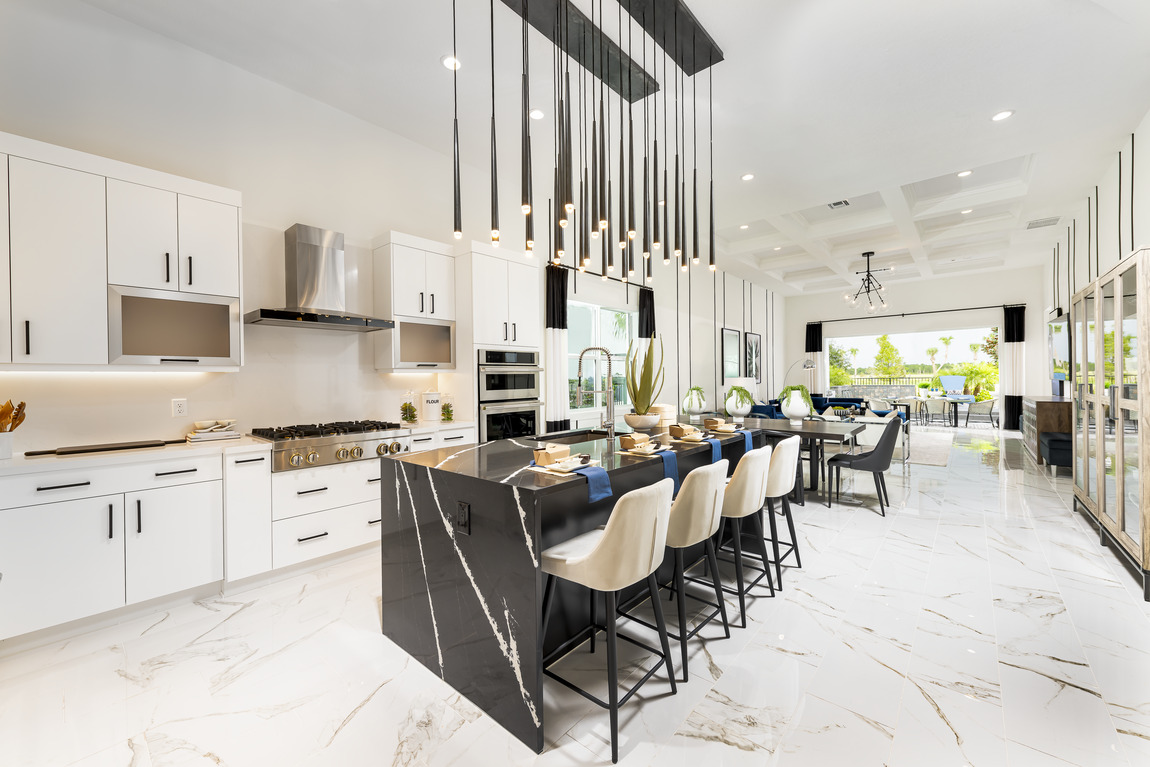
8 – Poor Electrical Planning
Electrical planning is another aspect of kitchen design that is often overlooked, but can greatly impact the functionality and safety of your kitchen. Inadequate electrical outlets or improper placement of outlets can lead to a cluttered and inefficient kitchen, as well as create safety hazards with the use of extension cords.
To avoid this mistake, carefully plan the placement and quantity of electrical outlets in your kitchen. Make sure to have enough outlets to accommodate all of your kitchen appliances, including small appliances, such as coffee makers and toasters, as well as larger appliances, such as refrigerators and dishwashers. It’s also important to plan for outlets in key areas for task lighting, such as above the countertops and near the range hood.
Consider the location of your outlets in relation to your kitchen appliances and ensure they are easily accessible without having to rely on extension cords. Outlets on the backsplash or island are often convenient for countertop appliances, while outlets inside cabinets can be used for hiding electrical cords for a clean and organized look. Be sure to work with a licensed electrician to ensure that all electrical work is done safely and up to code.
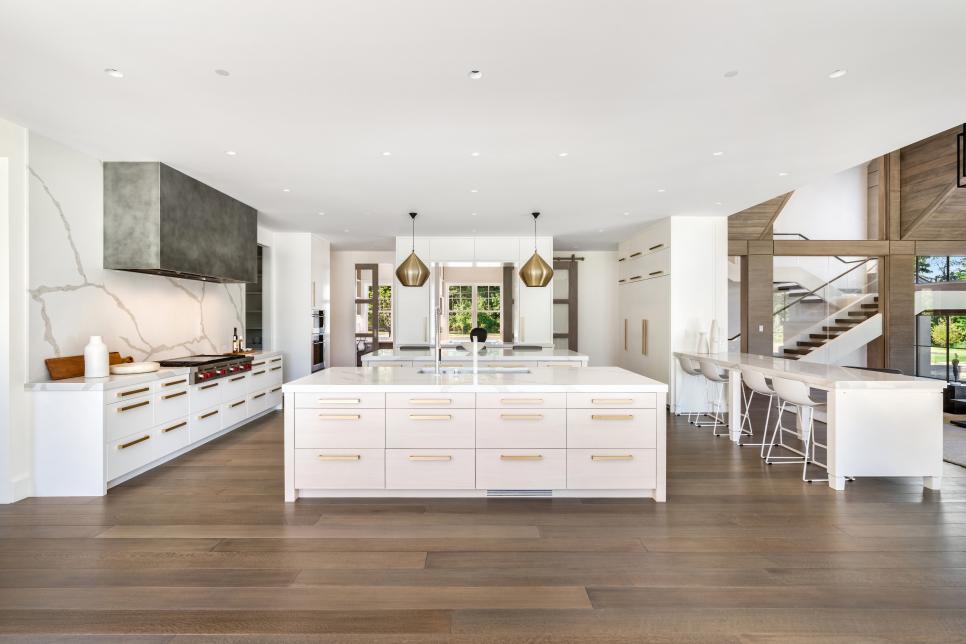
9 – Using the Wrong Materials:
Choosing the wrong materials for your kitchen can result in a design that is not only unappealing, but also impractical and difficult to maintain. Using materials that are not durable, water-resistant, or heat-resistant can result in damage, staining, and costly repairs.
Select materials for your kitchen that are suitable for the space and its intended use. For cabinets, choose materials that are durable and water-resistant, such as plywood, hardwood, or marine-grade particleboard. Avoid using materials that are prone to warping or swelling when exposed to moisture, such as MDF or particleboard.
When selecting flooring, choose materials that are durable, water-resistant, and easy to clean, such as tile, hardwood, or vinyl. Avoid using materials that can be easily damaged by water or heat, such as laminate or carpet.
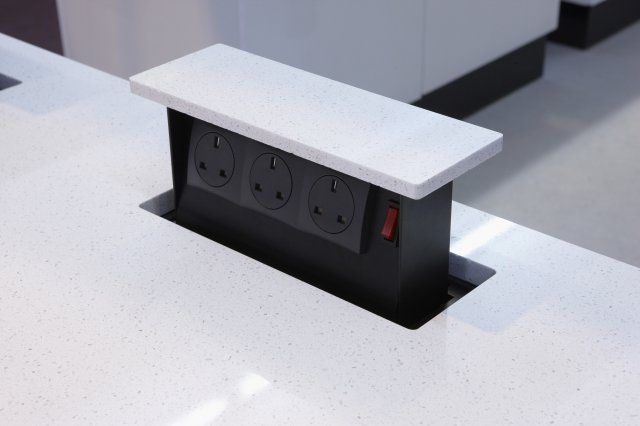
10 – Lack of Electrical Outlets
In today’s modern kitchens, electrical outlets are essential for powering various appliances, devices, and lighting. However, a lack of electrical outlets is a common mistake in kitchen design that can result in a cluttered and inefficient kitchen.
To avoid this mistake, plan for an adequate number of electrical outlets in your kitchen design. Think about the different appliances and devices you will be using in your kitchen and where they will be located. Install outlets in convenient locations, such as above the countertops, near the sink, and on the kitchen island, to provide easy access to power sources.
Consider also installing outlets with USB ports for charging devices, and plan for outlets with ground fault circuit interrupters (GFCIs) near water sources to ensure safety. Properly placed and sufficient electrical outlets can greatly improve the functionality and convenience of your kitchen.
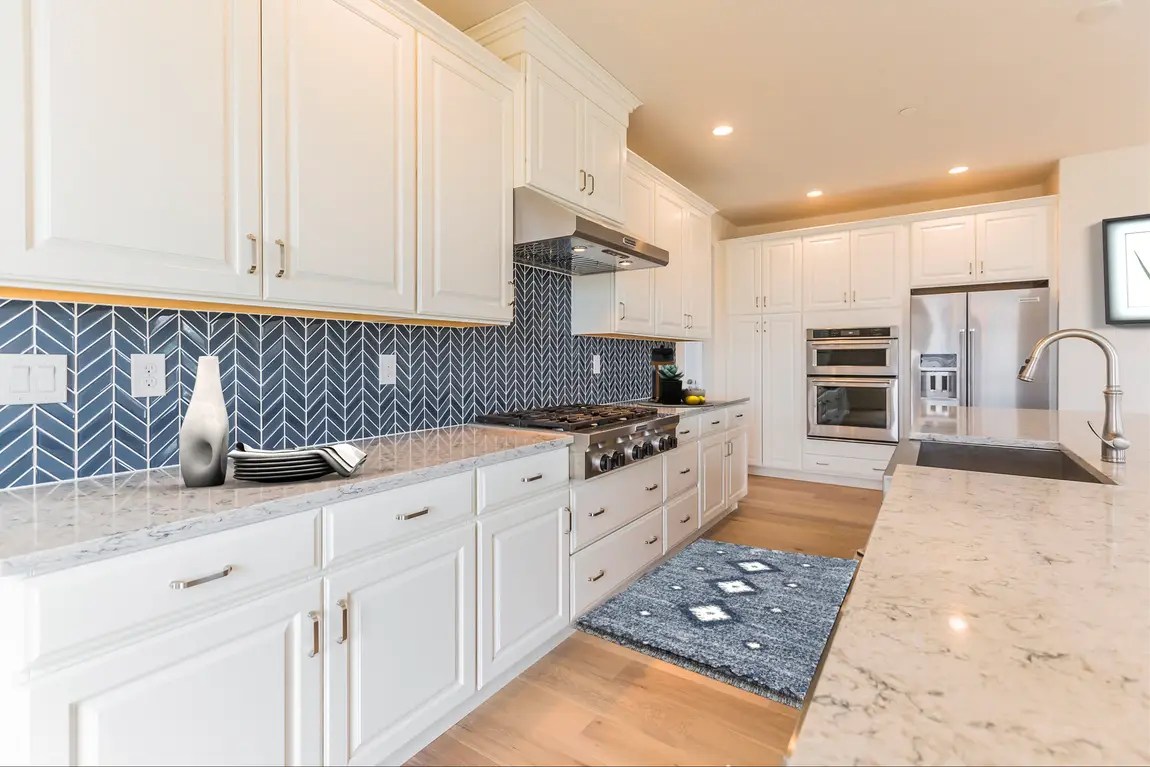
11 – Neglecting the Backsplash
The backsplash is not only a functional element in the kitchen to protect the walls from spills and splashes, but it also adds an aesthetic element to the overall design. Neglecting the backsplash is a common mistake in kitchen design that can result in an unfinished look.
To avoid this mistake, carefully consider the design and material of your backsplash. Choose a material that is easy to clean and complements the style of your kitchen. Consider options such as subway tiles, mosaic tiles, or even a slab of natural stone for a statement backsplash.
Also, plan for the height and coverage of your backsplash. Make sure it extends high enough to protect the walls from splashes and spills, and consider extending it to other areas of the kitchen, such as behind the stove or sink, for added functionality and visual appeal.
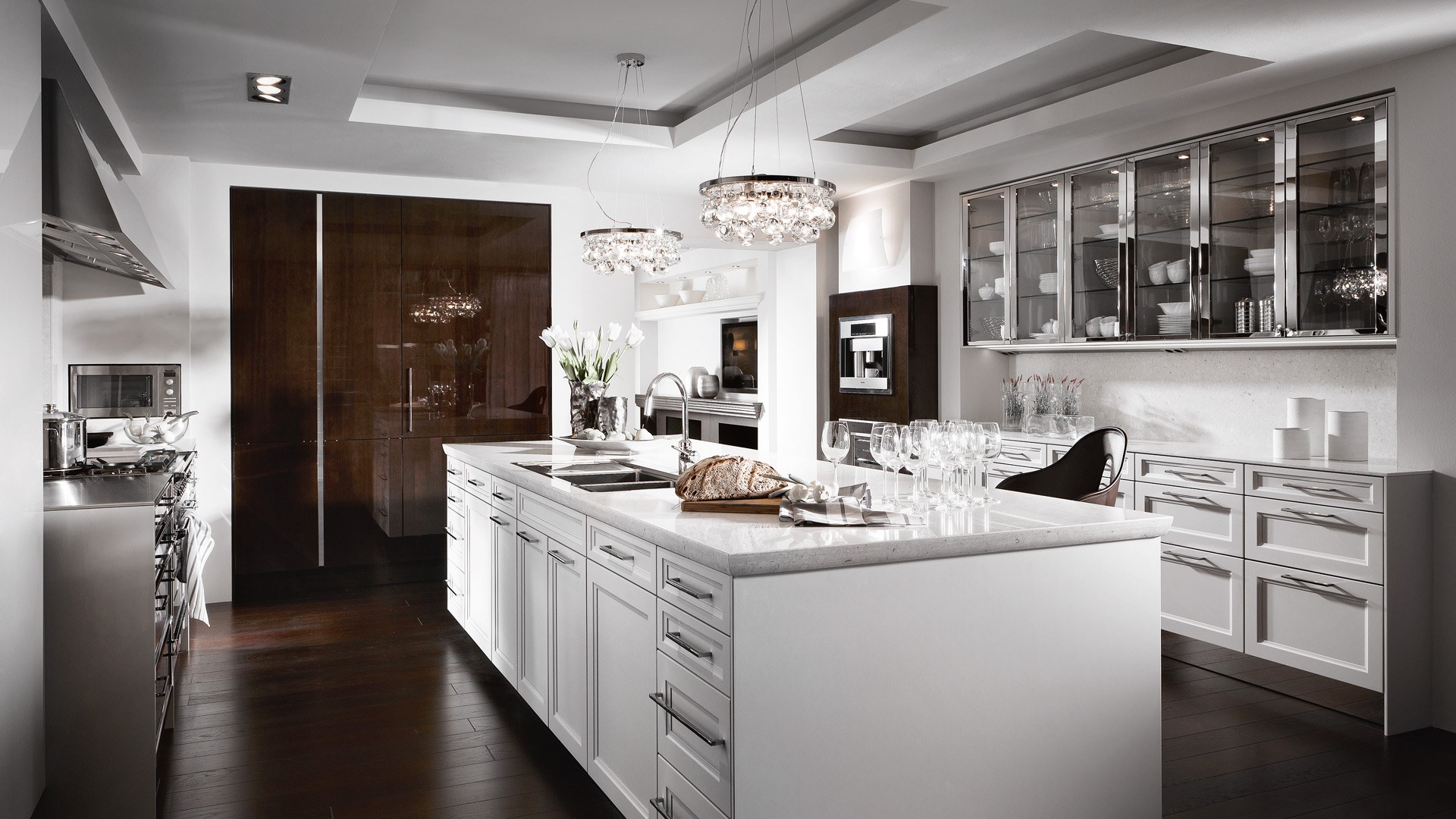
12 – Overlooking the Aesthetics
While functionality and practicality are important considerations in kitchen design, aesthetics should not be overlooked. Your kitchen is not only a functional space, but also a space where you will spend a significant amount of time, and it should reflect your personal style and taste.
Avoid the mistake of neglecting the aesthetics of your kitchen by carefully considering the design elements that will make your kitchen visually appealing. This may include the color scheme, materials, finishes, and overall style of your kitchen.
Choose a color scheme that complements the rest of your home and reflects your personal style. Consider the materials and finishes for your cabinetry, countertops, backsplash, and flooring that will create a cohesive and visually pleasing look. For example, if you prefer a modern and sleek style, you may opt for glossy white cabinets, quartz countertops, a metallic backsplash, and polished concrete flooring. On the other hand, if you prefer a more traditional and rustic style, you may choose wood cabinets, natural stone countertops, a subway tile backsplash, and hardwood flooring.
Consider the overall layout and flow of your kitchen to ensure that it is visually appealing and functional. Avoid overcrowding the space with too many cabinets or appliances, as this can make your kitchen feel cramped and cluttered. Instead, aim for a balanced and harmonious design that allows for easy movement and access to all areas of your kitchen.
Incorporate design elements that reflect your personal taste, such as decorative hardware, light fixtures, and backsplash patterns. These small details can add personality and charm to your kitchen and make it a space that you truly enjoy spending time in.
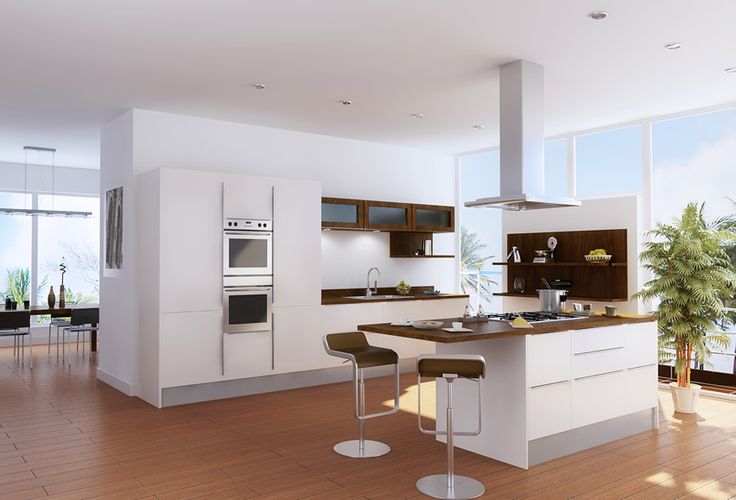
13 – Choosing the Wrong Countertops:
Choosing the right countertops makes a huge difference in the design of your kitchen. Consider durable, heat-resistant, and easy-to-clean countertop materials, such as quartz, granite, or butcher block, and choose a material that can withstand the demands of daily kitchen use, and suits your needs and style. Avoid using materials that are easily scratched or stained, such as laminate or soft woods.
Plan for countertops on both sides of your sink and stove for convenient food prep and cooking. Islands or peninsulas can also provide additional counter space and serve as a gathering place for guests. Also, think about the height of your countertops and make sure they are ergonomically designed for your comfort and ease of use.
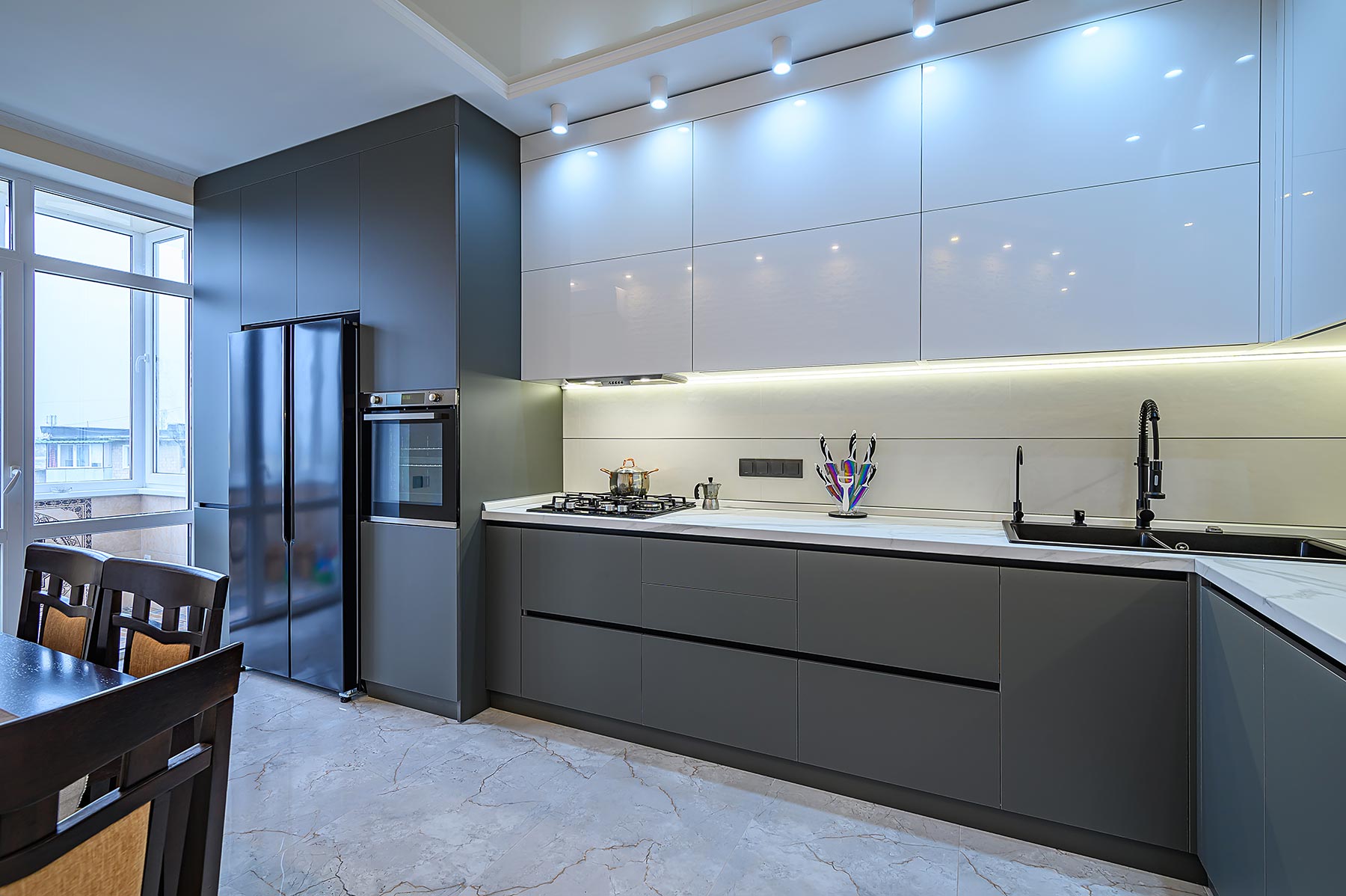
14 – Failing to Future-Proof:
Lastly, failing to future-proof your kitchen design can result in a space that becomes outdated and requires renovations in the near future. It’s essential to plan for the future and consider the longevity and sustainability of your kitchen design.
When designing your kitchen, consider the long-term usability and functionality of the space. Avoid trendy and fad-based designs that may go out of style quickly. Instead, opt for timeless and classic designs that can stand the test of time.
Conclusion
Designing a functional and aesthetically pleasing kitchen requires careful consideration of various factors, and avoiding common mistakes can help ensure a successful outcome. By being mindful of the kitchen’s layout, workflow, storage, lighting, materials, and sustainability, you can create a space that not only looks beautiful but also functions efficiently for your everyday needs.
Consider incorporating energy-efficient appliances and lighting to save on utility costs and reduce your carbon footprint. Think about the overall sustainability of your kitchen design by choosing eco-friendly materials, such as reclaimed wood, or recycled materials.
When designing your kitchen, take the time to carefully plan the layout, consider the needs of your household, choose quality materials, incorporate efficient storage solutions, and pay attention to lighting and aesthetics. Seek the help of a professional kitchen designer if you are unsure about any aspect of your kitchen design. A professional designer can provide valuable insights, recommendations, and expertise to help you create the kitchen of your dreams.
By avoiding common mistakes in kitchen design and following best practices, you can create a kitchen that not only looks stunning, but also meets all your needs and enhances your daily living experience. So, take the time to plan, research, and make informed decisions, and you’ll have a beautiful and functional kitchen that you’ll love for years to come. Happy designing!
FAQs:
Frequently Asked Questions (FAQs):
Q: How can I incorporate sustainability into my kitchen design?
A: You can incorporate sustainability into your kitchen design by:
- Choosing eco-friendly materials, such as bamboo, reclaimed wood, or recycled materials for cabinetry, countertops, and flooring.
- Installing energy-efficient appliances, such as those with ENERGY STAR ratings, to reduce your energy consumption.
- Incorporating proper insulation and ventilation to improve energy efficiency and indoor air quality.
- Using low-flow faucets and fixtures to conserve water.
- Recycling and properly disposing of kitchen waste, such as food scraps and packaging, through composting or recycling programs.
- Opting for reusable or sustainable alternatives to single-use items, such as reusable shopping bags, cloth napkins, and glass containers for food storage.
- Choosing durable materials and finishes that will last longer and require less frequent replacement, reducing waste and environmental impact.
- Designing a layout that maximizes natural light to reduce the need for artificial lighting during the day.
- Considering the lifecycle of products and materials used in your kitchen, from production to disposal, and choosing those with lower environmental impact.
Q: What are some tips for choosing kitchen materials and finishes?
A: When choosing materials and finishes for your kitchen, consider the following tips:
- Durability: Choose materials that are durable and can withstand the wear and tear of daily use in a kitchen environment.
- Maintenance: Consider the maintenance requirements of different materials and finishes, such as cleaning, sealing, and refinishing, and choose ones that fit your lifestyle and maintenance preferences.
- Aesthetics: Select materials and finishes that complement the overall style and color scheme of your kitchen.
- Budget: Keep your budget in mind and choose materials and finishes that are within your budgetary constraints.
- Environmental impact: Consider the environmental impact of the materials and finishes you choose, and opt for eco-friendly or sustainable options when possible.
- Cohesiveness: Ensure that the materials and finishes you choose create a cohesive and harmonious look in your kitchen, avoiding clashing styles or conflicting colors.
- Functionality: Choose materials and finishes that are functional for your specific needs, such as heat resistance for countertops near the stove or moisture resistance for backsplashes near the sink.
- Longevity: Consider the longevity of the materials and finishes in terms of their ability to withstand trends and remain timeless over the years.
- Samples: Always request samples of materials and finishes before making final decisions to see how they look and feel in your space and under different lighting conditions.
Q: Can you suggest some space-saving storage solutions for my kitchen?
A: Some space-saving storage solutions for your kitchen include:
- Pull-out shelves or drawers: These allow for easy access to items at the back of cabinets or pantry shelves without having to reach or bend over.
- Corner storage solutions: Lazy Susan cabinets, corner drawers, or swing-out shelves can make use of otherwise wasted corner space in your kitchen.
- Overhead pot and pan racks: These can keep your cookware organized and easily accessible, freeing up cabinet space.
- Pegboard or hooks: Installing pegboard or hooks on the walls or inside cabinet doors can provide additional storage for pots, pans, utensils, or cutting boards.
- Magnetic knife strips: These can keep your knives safely stored and easily accessible on the walls, freeing up counter space.
- Under-sink organizers: These can make use of the often underutilized space under the sink for storing cleaning supplies or other kitchen items.
- Wall-mounted dish drying rack: This can save counter space and keep your dishes organized and dry.
- Drawer dividers: These can help you keep your utensils, cutting boards, or baking sheets neatly organized in drawers.
- Vertical storage for baking sheets and cutting boards: Installing vertical dividers in cabinets or on the inside of cabinet doors can keep your baking sheets and cutting boards upright and easy to access.
- Hanging baskets or hooks: These can be used to store fruits, vegetables, or other items that don’t require refrigeration, freeing up counter or cabinet space.
Q: How important is lighting in kitchen design?
A: Lighting is a crucial aspect of kitchen design as it affects the functionality, safety, and aesthetics of the space. Proper lighting can enhance the overall ambiance, highlight key areas, and make tasks easier to perform. Here are some key points to consider:
- Task lighting: Task lighting provides focused illumination for specific work areas, such as the countertop, sink, or stove. It is essential for performing tasks safely and efficiently in the kitchen.
- Ambient lighting: Ambient lighting creates a general, overall illumination in the kitchen and sets the mood for the space. It can be achieved through ceiling fixtures, recessed lights, or wall sconces.
- Accent lighting: Accent lighting adds drama and visual interest to the kitchen by highlighting specific features, such as a backsplash, artwork, or a decorative piece. It can be achieved with spotlights, track lighting, or under-cabinet lights.
- Natural lighting: Natural lighting is also crucial in kitchen design, as it helps to create a warm and welcoming atmosphere. Maximize natural light by incorporating windows, skylights, or glass doors into your kitchen design.
- Dimmer switches: Installing dimmer switches allows you to adjust the intensity of the lighting to suit different needs and moods in the kitchen.
- Light fixture placement: Consider the placement of light fixtures to ensure even illumination without creating harsh shadows or dark areas. Avoid placing fixtures directly above the head or behind the user, as it may create shadows on the countertop.
- Light bulb selection: Choose the right type of light bulbs that provide the desired color temperature (warm, cool, or neutral) and brightness for your kitchen. LED bulbs are energy-efficient and have a long lifespan, making them a popular choice for kitchen lighting.
- Lighting design for open-concept kitchens: If your kitchen is part of an open-concept space, consider how the lighting in the kitchen blends with the lighting in the adjacent areas to create a cohesive look and feel.
 KH Cabinets and Architectural Millwork - Fine Custom Made Cabinetry