Learn how to successfully design your bathroom
Designing a bathroom can be a daunting task, given its significance in any home. If you, especially, don’t know where to begin or how to optimize the space available, the process could be particularly challenging.
With numerous options for fixtures, finishes, colours, and layouts, it’s natural to feel overwhelmed. However, by doing some careful planning and seeking professional guidance, it is possible to design a bathroom that perfectly meets your requirements.
This article explains the process of designing your bathroom, from assessing your needs, and priorities to selecting the appropriate fixtures, and finishes, so you can have a bathroom that is both beautiful and functional.
Assess Your Needs and Priorities
Prior to commencing the design of your bathroom, evaluate your needs and priorities. Pose the following questions to yourself:
- What budget have I allocated, and what is my timeline for completing the project?
- What are my lifestyle and habits, and how will they affect the design of my bathroom?
- What is my washroom’s size, and how can I incorporate all the desired features?
- What kind of storage space do I want to incorporate into the design of my bathroom?
Having answers to these questions may help you in making knowledgeable decisions regarding the design of your bathroom; ensuring that your needs and priorities are met.
Choose the Right Fixtures
After evaluating your needs and priorities, the next step is to select the appropriate fixtures for your bathroom. Here are some tips to help you select the best options:
Toilet Type
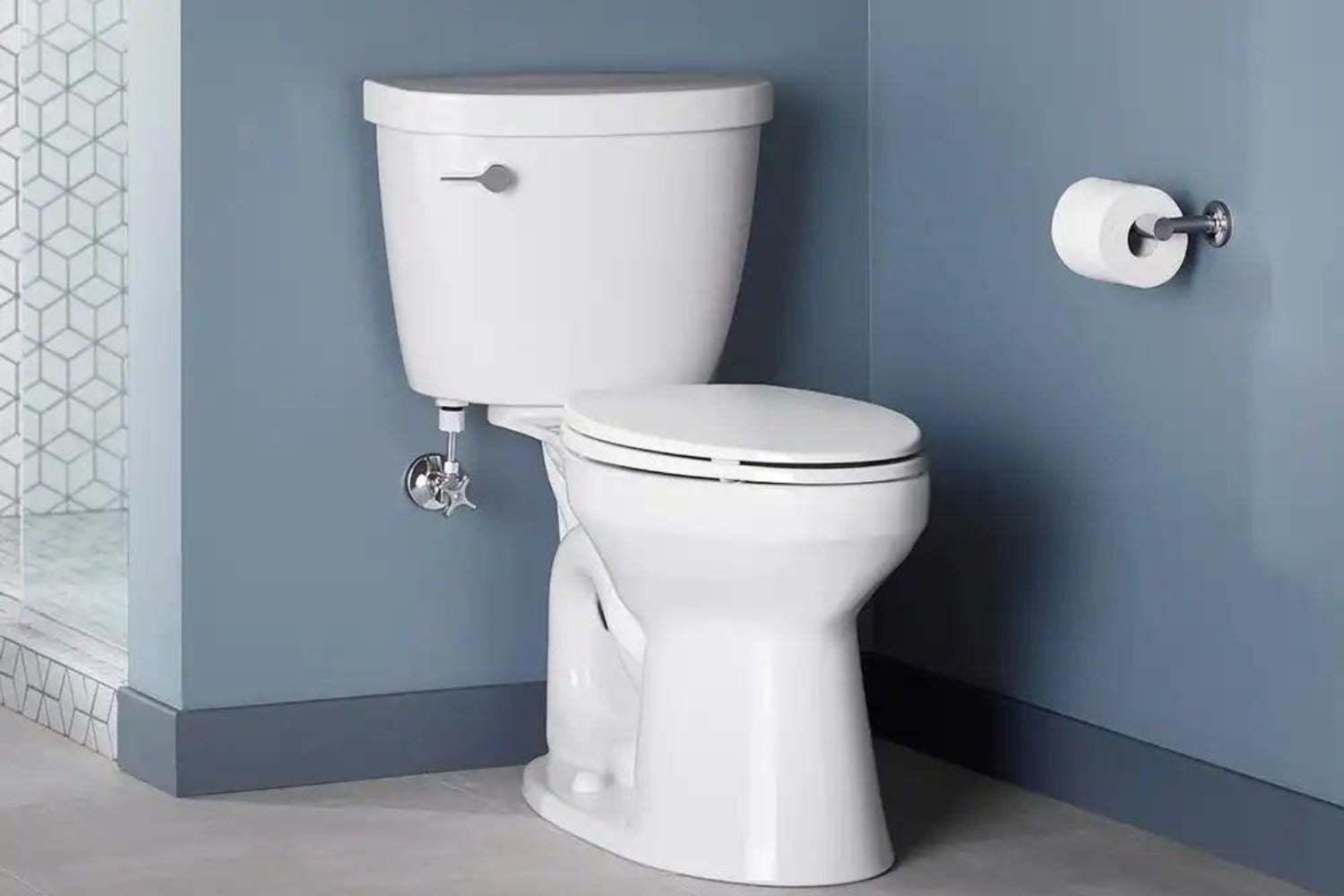
Among the many fixtures in a bathroom, toilet is one that could stand out. Theferore, choosing the right toilet makes a huge difference. Some of the popular types of toilets are:
- Standard two-piece toilets
- Wall-mounted toilets
- Compact elongated toilets
- Dual-flush toilets
Each of these toilet styles comes with its own unique features and benefits. Therefore, selecting the right toilet for your bathroom is important. The right toilet style is comfortable to use, easy to clean and complement your bathroom’s overall style. Selecting a toilet model with a smooth surface that does not trap dirt or grime is recommended.
In addition to personal preference when choosing the type of toilet, keep in mind the size, and shape of your bathroom. It’s also essential to consider the toilet’s comfort level, including its height and seat shape. Comfortable toilets can provide a more pleasant experience, especially for people with mobility issues or disabilities.
Sink and Faucet
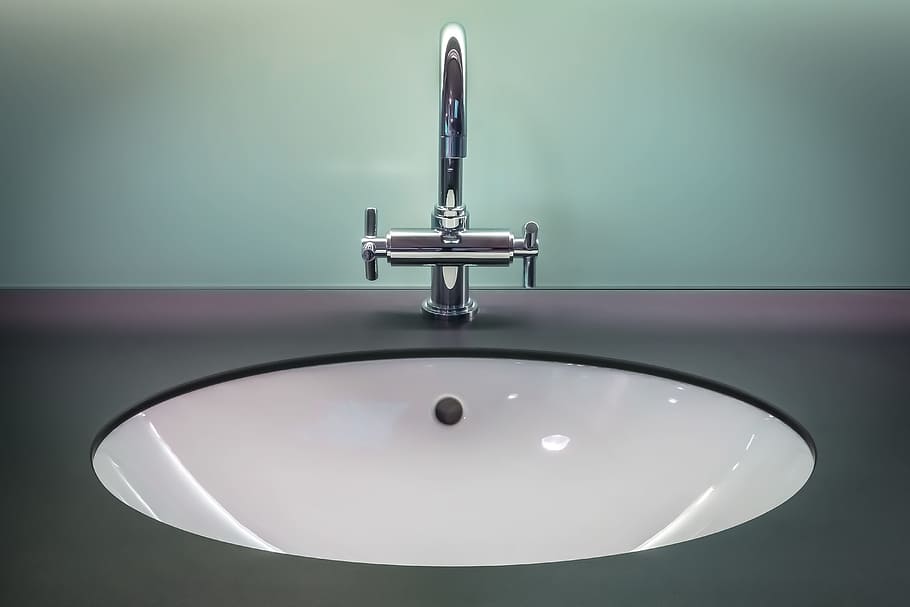
The sink and faucet are other essential fixtures that require careful consideration. Some of the popular types of sinks are:
- Pedestal sinks
- Drop-in sinks
- Undermount sinks
- Vessel sinks
Select a sink that is functional and easy to clean, with a style that matches your bathroom’s overall aesthetic. Similarly, choose a faucet that complements the sink and is easy to use.
Shower or Tub, or Both?
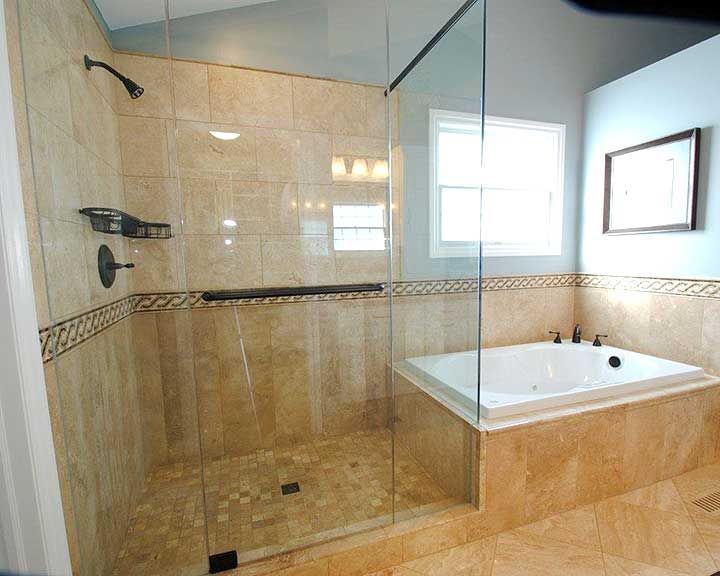
Whether you opt for a shower or a tub depends entirely on your personal preferences and requirements. Some popular options are:
- Standard bathtubs
- Whirlpool tubs
- Walk-in tubs
- Shower enclosures
- Wet rooms
Choose a shower or tub that is spacious, easy to clean, and functional. Ensure that it complements the overall design of your bathroom.
Consider Your Layout and Space
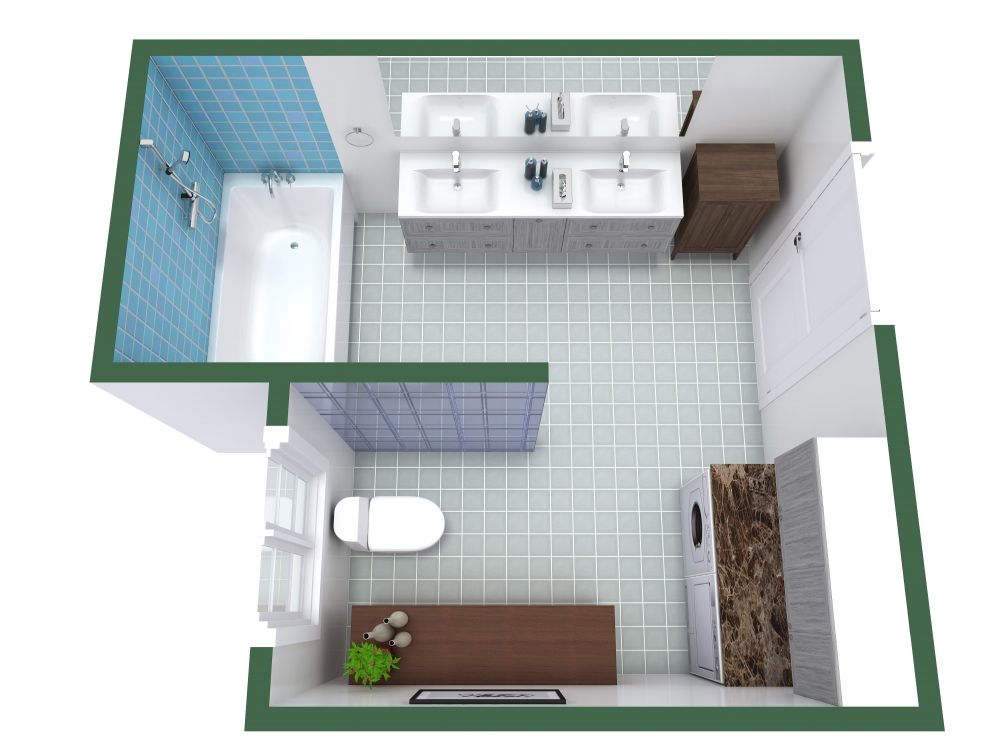
The layout and space of your bathroom are important factors that affect the functionality and aesthetic of the space. Here are some tips for optimizing your bathroom layout:
Evaluate Your Current Layout
When undergoing a bathroom renovation, it is important to carefully examine your current layout and identify any areas that could be improved for optimal results.
Consider the placement of your fixtures and how they can be rearranged for better functionality.
Determine Your Space Constraints
Take measurements of your bathroom and determine the amount of space available. Consider any constraints, such as windows, doors, or fixtures that cannot be moved.
Optimize Your Layout for Functionality
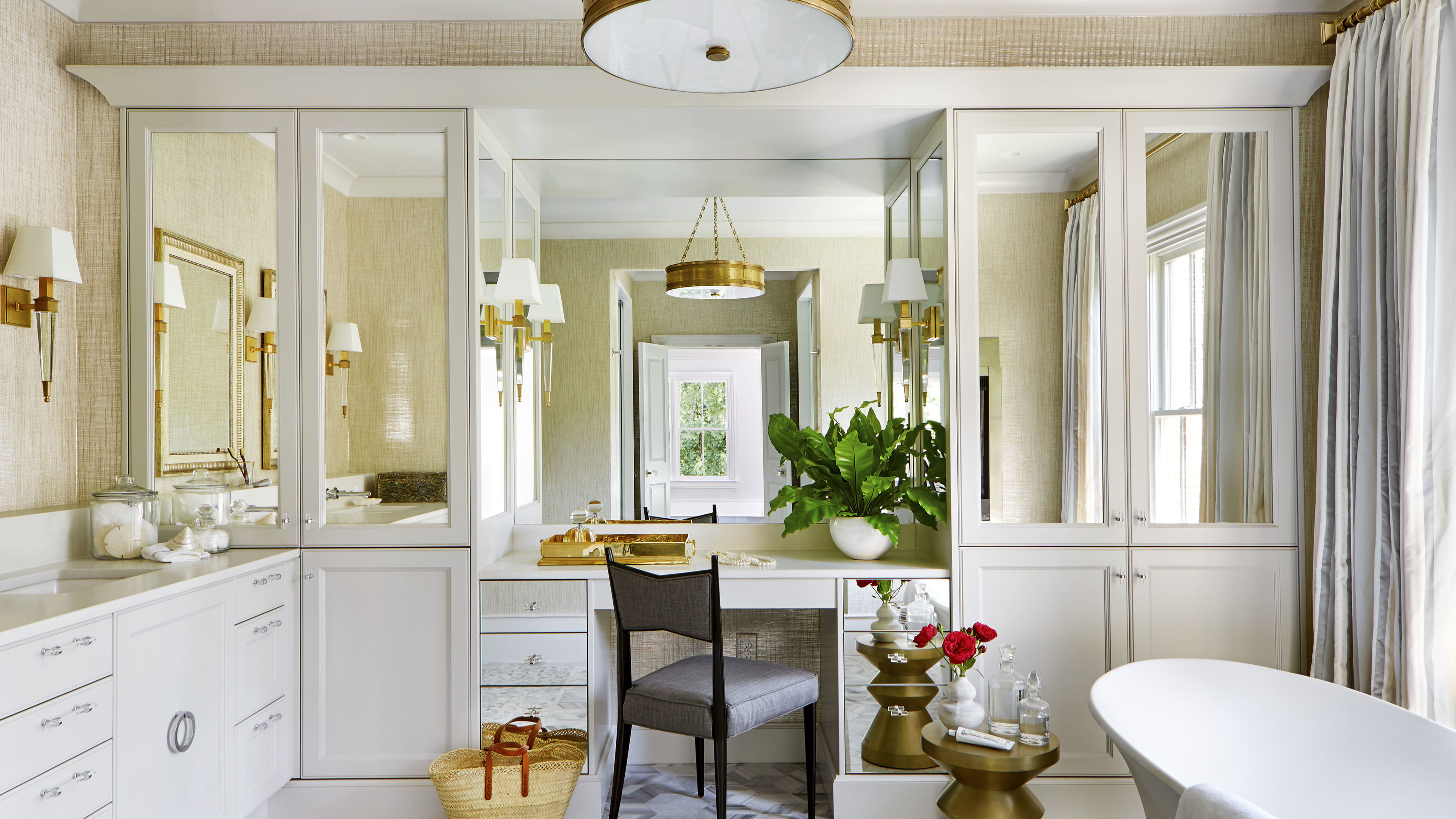
Once you’ve evaluated your current layout and determined your space constraints, it’s time to optimize your layout for functionality. Consider how you will use your bathroom and design your space accordingly. For example:
- Place your sink and vanity near the door for easy access
- Position your toilet away from the door for privacy
- Opt for a shower-tub combo if you have limited space
- Install a medicine cabinet or shelving above the sink for additional storage space
Positioning your shower or bathtub away from the bathroom door can help prevent water from splashing outside of the bathing area and causing a mess.
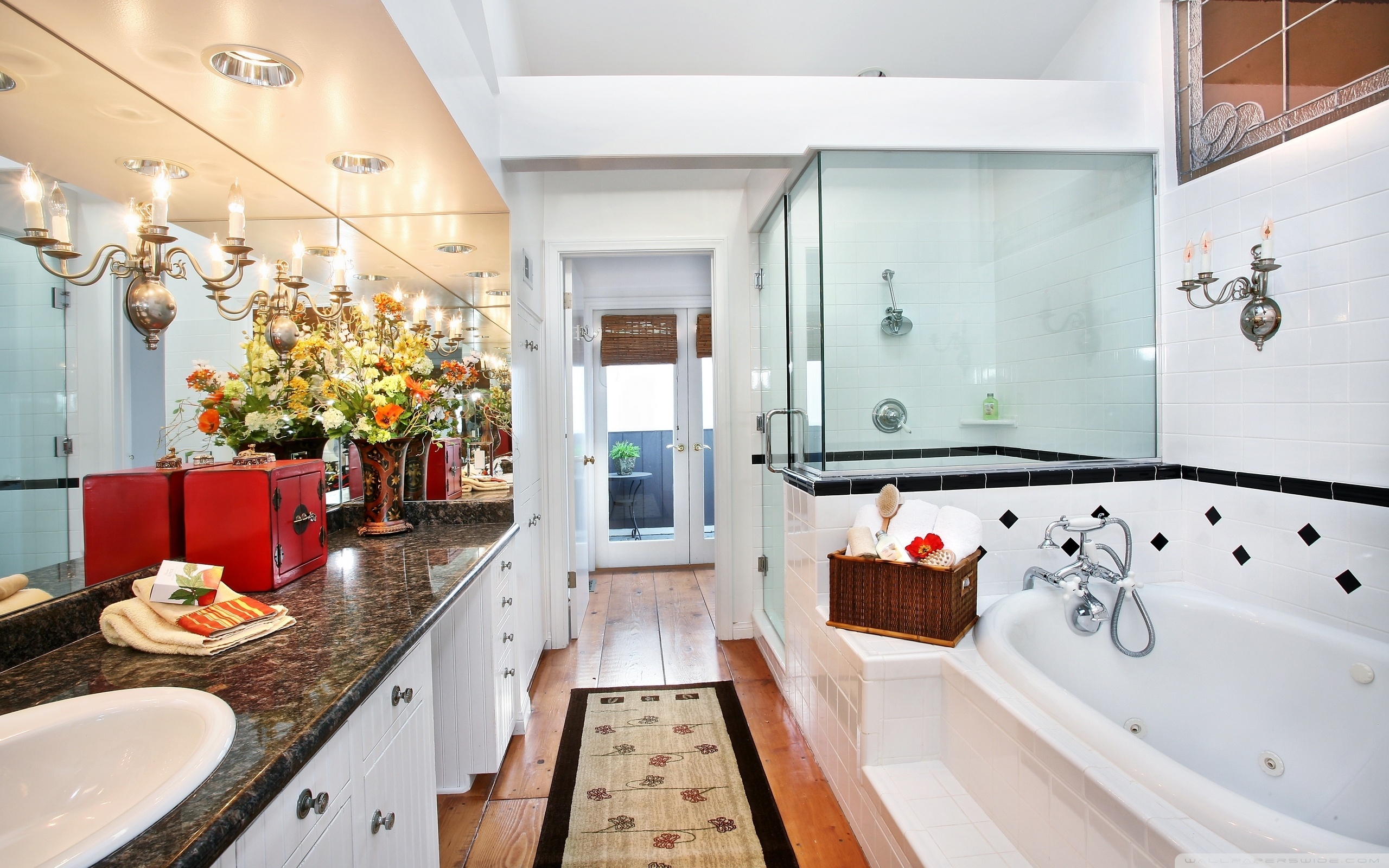
Maximize Your Space
In addition to enhancing your bathroom’s layout, there are various methods to optimize the space and fully utilize the available room. Here are some tips:
- Use vertical space: Install shelves or cabinets that extend all the way up to the ceiling to maximize storage space.
- Choose a compact toilet: If space is limited, consider opting for a compact toilet that occupies less area.
- Install a corner sink or vanity: A corner sink or vanity can make use of space that might otherwise go unused.
- Use pocket doors: If your bathroom has limited space, consider installing pocket doors that slide into the wall instead of swinging open.
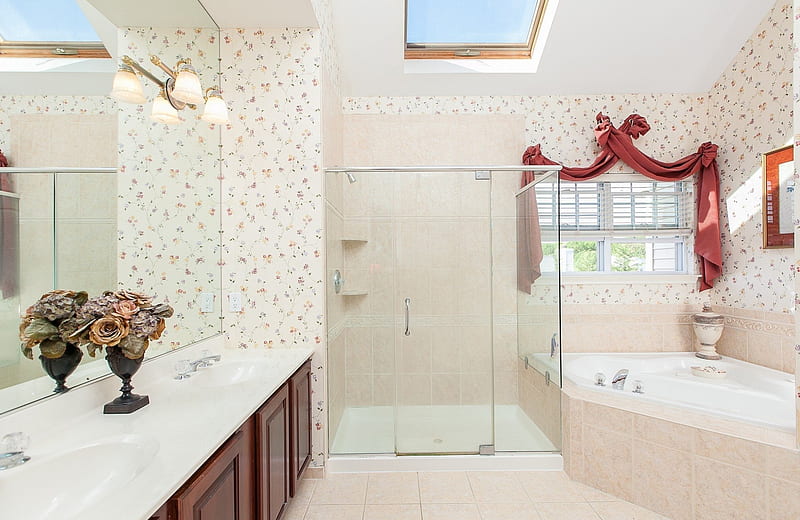
Add Finishing Touches
After selecting the perfect fixtures, optimizing your layout, and maximizing the available space, it’s time to add those final touches that will take your bathroom design to the next level. Here are some ideas:
- Install lighting: Choose functional and stylish, such as sconces or pendant lights.
- Add accessories: Choose accessories that complement the overall design of your bathroom, such as a shower curtain, bath mat, or artwork.
- Install tile or wallpaper: Consider adding tile or wallpaper to your bathroom to add color and texture.
- Add plants: Plants can add a touch of nature to your bathroom and help purify the air.
Conclusion
Designing a bathroom is a thrilling yet daunting task. However, with appropriate guidance and implementing a well-structured approach, it is possible to turn your bathroom into a beautiful and practical haven that meets your individual needs and desires.
To start, consider your needs and priorities, taking into account the available space and desired style of your bathroom. This will guide you in selecting the right fixtures, such as a bathtub or shower, sink, toilet, and lighting that suit your personal taste while optimizing the bathroom’s functionality.
Furthermore, do your best to maximize your layout in order to utilize your available space to the fullest extent. You can do this by strategically placing your fixtures and considering the use of vertical space for storage purposes.
By choosing compact fixtures, installing shelving or cabinets that extend all the way up to the ceiling, or adding a corner sink or vanity, you can make the most of even the smallest bathrooms.
Lastly, adding those finishing touches will bring your bathroom design to life. Consider adding lighting, accessories, tile or wallpaper, and plants that complement your design and enhance the overall ambiance.
KH Cabinets is here to help you bring your vision into a reality. We are based in North Newton neighbourhood of Surrey, BC. Call us today to make an appointent to view our facility.
So let us help you plan your dream bathroom renovation project today! Contact us for a free, no obligation, quote at: www.KHcabinets.com/contact/
Frequently Asked Questions
FAQs
Q1. What is the best way to plan a bathroom renovation?
A1. The best way to plan a bathroom renovation is to start by setting a budget and determining your design priorities. From there, you can research materials and fixtures, hire a professional designer or contractor, and create a detailed project plan that includes a timeline and contingency budget.
Q2: What is the best layout for a small bathroom?
A2: The best layout for a small bathroom depends on your needs and preferences. One popular option is to place the sink and vanity near the door for easy access, install a shower-tub combo to save space, and use pocket doors to maximize space.
Q3: How can I make my bathroom look bigger?
A3: There are several ways to make a bathroom look bigger, such as installing mirrors, using light colors, and using glass shower enclosures.
Q4. What are some ways to maximize space in a small bathroom?
A4. Optimize your layout by choosing fixtures that are space-saving, such as a corner sink or a wall-mounted toilet. Use shelves and storage solutions to keep clutter off the floor.
Q5: What type of lighting is best for a bathroom?
A5: The best lighting for a bathroom is functional and stylish, such as sconces or pendant lights. It should provide ample light for grooming and makeup application.
Q6. How do I choose the right fixtures for my bathroom?
A6. Take into account your individual requirements and preferences, as well as the overall style and dimensions of your bathroom. Choose fixtures that are functional, easy to maintain, and match your overall design aesthetic.
Q7. What should I consider when choosing bathroom fixtures?
A7. When choosing bathroom fixtures, consider the style and design of the fixture, as well as the quality and durability of the materials. You should also think about the functionality of the fixture and whether it meets your specific needs and preferences.
Q8. How important is lighting in a bathroom?
A8. Lighting is crucial in a bathroom, as it affects both the ambiance and functionality of the space. Choose lighting that is bright and flattering, and consider adding dimmers or other controls for versatility.
Q9. What are some important factors to consider when designing a bathroom?
A9. When designing a bathroom, you should consider the size and layout of the space, your personal style preferences, and the functionality of the fixtures and features you want to include. You should also think about the lighting, ventilation, and storage options that will work best for your needs.
Q10. What is the average cost of renovating a bathroom?
A10. The cost of renovating a bathroom can vary widely depending on the size and scope of the project. On average, a mid-range bathroom renovation can cost anywhere from $10,000 to $40,000, while a high-end renovation can cost upwards of $50,000.
Q11. How long does it typically take to renovate a bathroom?
Q11. The timeline for a bathroom renovation can vary depending on the extent of the project and the availability of contractors and materials. A basic renovation that involves replacing fixtures and updating finishes may take a few weeks, while a more extensive renovation that involves structural changes or custom work could take several months.
Q12. What are some popular bathroom design trends?
A12. Some popular bathroom design trends include incorporating natural materials like wood and stone, using bold patterns and textures, adding pops of color, and incorporating smart technology and energy-efficient fixtures.
Q13. Should I hire a professional to help with my bathroom renovation?
A13. While it is possible to undertake a bathroom renovation on your own, hiring a professional can help ensure that the project is completed safely and to a high standard of quality. A professional contractor or designer can also help you avoid common pitfalls and make sure that your design meets your specific needs and preferences.
Q14. How can I maximize storage in a small bathroom?
A14. To maximize storage in a small bathroom, consider adding built-in shelving or cabinets, using vertical space with tall storage units or wall-mounted baskets, and choosing multi-functional fixtures like a vanity with drawers or a mirrored medicine cabinet.
Q15. How can I make my bathroom more energy-efficient?
A15. To make your bathroom more energy-efficient, consider replacing old fixtures with low-flow toilets, faucets, and showerheads, using LED or energy-efficient lighting, and installing a programmable thermostat for your bathroom heater or radiant flooring. You can also consider adding insulation to the walls and ceiling to help maintain a consistent temperature.
Q16. What is the best flooring material for a bathroom?
A16. The best flooring material for a bathroom is one that is water-resistant and durable, such as ceramic or porcelain tile, natural stone, or vinyl flooring. Hardwood flooring is not recommended for bathrooms as it can warp and become damaged with exposure to moisture.
Q17. Can I add a bathtub to a small bathroom?
A17. It is possible to add a bathtub to a small bathroom, but it will depend on the size and layout of the space. A compact or corner bathtub can be a good option for a small bathroom, and a professional designer or contractor can help you find a solution that works for your specific needs.
Q18. What are some common mistakes to avoid when renovating a bathroom?
A18. Some common mistakes to avoid when renovating a bathroom include underestimating the cost or timeline of the project, failing to properly waterproof the space, overlooking ventilation and moisture control, and neglecting to plan for adequate storage.
Q19. How can I make my bathroom feel more spacious?
A19. To make a bathroom feel more spacious, consider using light colors on the walls and floor, adding mirrors or reflective surfaces, installing a glass shower enclosure, and minimizing clutter and unnecessary decor. A professional designer can also help you maximize the available space in your bathroom.
Q20. Should I add a bidet to my bathroom?
A20. Adding a bidet to a bathroom is a personal preference, but it can offer a range of benefits including improved hygiene, reduced toilet paper use, and relief from certain health conditions. If you are considering adding a bidet to your bathroom, make sure to consult with a professional to ensure that it is installed properly and meets local plumbing codes.
Q21. Can I install a steam shower in my bathroom?
A21. It is possible to install a steam shower in a bathroom, but it will require proper ventilation and moisture control to prevent mold and mildew. Consult with a professional to determine if your bathroom is suitable for a steam shower and to ensure that it is installed safely and correctly.
Q22. How can I incorporate universal design principles into my bathroom?
A22. To incorporate universal design principles into your bathroom, consider adding features like grab bars, non-slip flooring, a walk-in shower, and a comfort-height toilet. These features can make the bathroom safer and more accessible for people with disabilities or mobility issues, as well as for older adults.
 KH Cabinets and Architectural Millwork - Fine Custom Made Cabinetry
Pingback: KH Cabinets March 2023 Newsletter – KH Cabinets and Architectural Millwork – Fine Custom Made Cabinetry
Great post thanks for shareing, some good information and ideas for anyone looking to design their own bathroom.
LikeLike